Key Takeaways
- Most AI resistance stems from fear of loss, not lack of skill.
- Reassurance doesn't build confidence; experimentation does.
- Psychological safety is a strategic prerequisite for AI adoption.
The Hidden Enemy of Adoption
You gave your team access to ChatGPT six months ago. Half still aren't using it.
That's not a training problem. That's a trust problem.
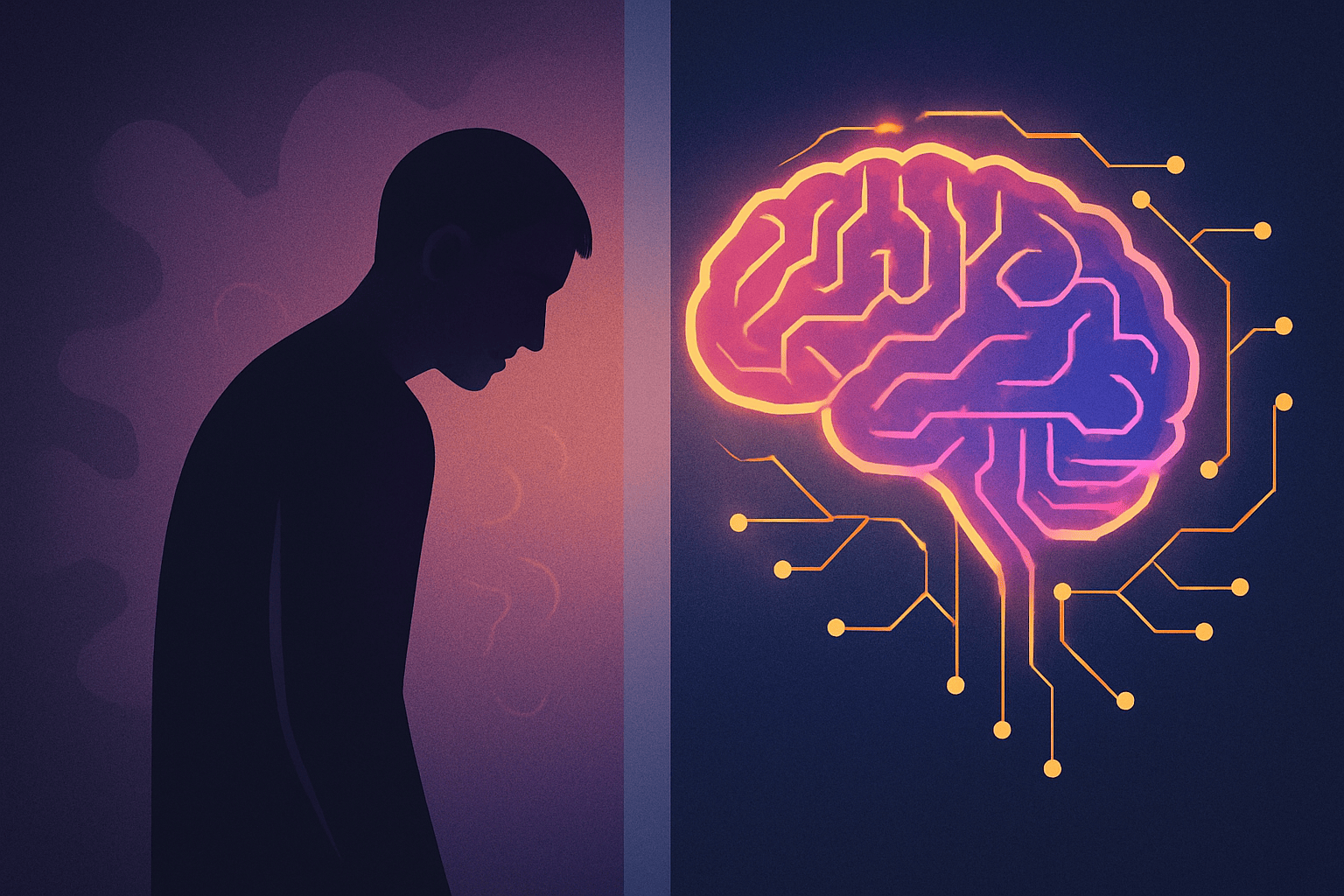
Most leaders assume resistance to AI is about technical skill. It isn't. It's about identity. People aren't afraid of prompts; they're afraid of what AI implies: that their judgment, craft, or years of experience might no longer matter.
Until you address that psychological tension, no amount of "AI 101" workshops will work.
Three Faces of AI Anxiety
AI anxiety is rational. It's just misdiagnosed. It usually shows up in three forms:
- Replacement Fear — "If AI can do this, why am I here?" This is existential. People fear being automated out of relevance.
- Competence Threat — "What if I can’t keep up?" This is performance-based. It's the silent panic behind phrases like "I'm just not technical."
- Ethical Unease — "Can we trust this?" This is moral. It comes from not understanding how AI makes decisions, or who's accountable when it's wrong.
Each of these requires a different antidote.
The Failure of "Don't Worry" Leadership
Most executives respond with slogans: "AI will augment you, not replace you."
It doesn't work because it's intellectually dishonest. AI does replace some functions. The real question is whether the organisation replaces the human advantage too.
People stop fearing technology when they see a clear path from automation to amplification, when they experience AI as a force multiplier for their judgment, not a substitute for it.
You can't talk them into trust. You have to design it.
The Strategy Before the Software
Leaders rush to buy tools before they've built psychological infrastructure.
That's backwards.
Before you roll out AI platforms, define three foundations:
- Permission to Explore – Remove the fear of mistakes. Create sandboxes where experiments are encouraged, not penalised.
- Shared Vocabulary – Define what "AI" means internally. Vague language breeds vague fear.
- Transparent Intent – Explain why the organisation is adopting AI. Efficiency? Innovation? Competitive parity? People can't align with secrets.
The absence of clarity creates conspiracy theories.
Building Confidence Through Experience
Confidence doesn't come from reassurance. It comes from successful play.
Create "low-stakes experimentation zones": internal projects where teams use AI to solve small, reversible problems. Let them experience wins, not promises.
Once people see AI amplify, not erase, their creative impact, the emotional resistance collapses.
It's behavioural conditioning, not persuasion.
The AI Confidence Ladder
To operationalise this, use a progression model that builds comfort over time:
- Step 1: Personal Productivity - Start with private tools, drafting emails, summarising notes, generating ideas. Low risk, instant feedback.
- Step 2: Collaborative Workflows - Integrate AI into team processes, content briefs, meeting synthesis, campaign insights. Shared wins build trust.
- Step 3: Strategic Application - Move to decision-support, forecasting, optimisation, causal modelling. By now, AI is part of how the team thinks, not just what it uses.
Each step upgrades agency before automation.
The Organisational Mindset Shift
The goal isn't compliance, getting everyone to use AI.
It’s coherence, getting everyone to understand where AI fits in the collective brain of the business.
If your people feel excluded from that thinking, they'll resist instinctively.
If they co-create it, they'll champion it.
AI adoption is not a software rollout. It’s a psychological transition.
Practical Takeaway: Redesign the Rollout
When launching AI internally, run it like a behavioural experiment, not a tech deployment.
- Start small and visible.
- Share experiments publicly.
- Reward learning, not performance.
- Treat failure as feedback.
The more public your learning culture, the less private your fear culture.
The Real Competitive Edge
AI doesn't replace marketers.
Fear does.
Your edge won't come from who implements AI first, but from who trusts it fastest.





