The Problem in Plain Language
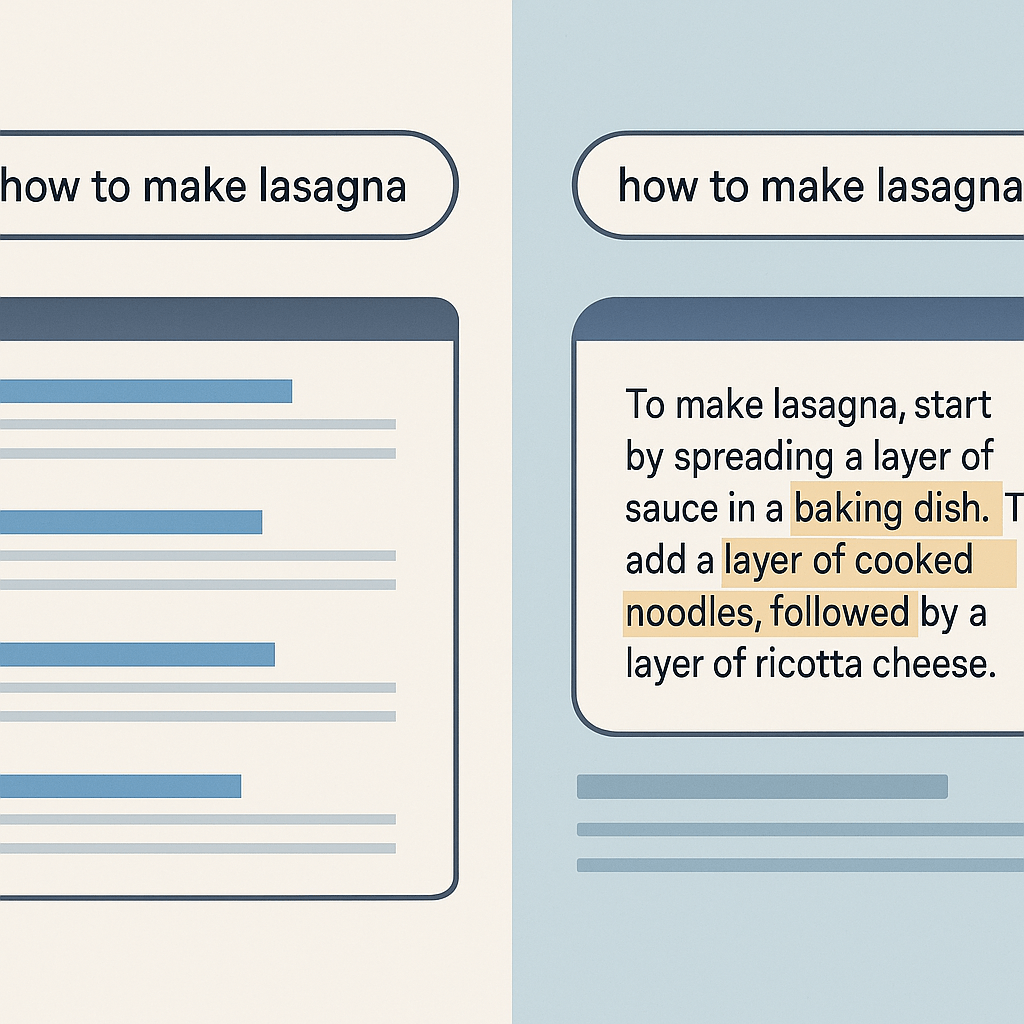
For years, SEO (Search Engine Optimisation) has been about one thing: convincing Google to put your page higher on a list of links. You researched keywords, sprinkled them across your site, and hoped the algorithm smiled on you. But something has changed. Search engines are no longer just showing lists. They're answering questions directly, inside Google’s AI Overviews, Bing's Copilot, or ChatGPT responses. That's where AEO (Answer Engine Optimisation) comes in.
What’s Really Going On
Think of SEO as writing a big sign outside your shop: "Best coffee in Johannesburg." When people walk down the street (search), they see your sign among many others. AEO is different. It's like being the coffee cup already sitting on the counter when someone asks the barista, "What's the best coffee here?" The shift is from signs (links) to servings (direct answers).
Why this shift?
- User behaviour: People want answers, not lists.
- AI systems: They read context, entities, and relationships, not just keywords.
- Platforms: Google, OpenAI, Perplexity, and others are racing to keep people inside their ecosystem by answering directly.
The First Principles
- SEO = visibility in a list.
- AEO = visibility in an answer.
- Lists reward keywords and links.
- Answers reward clarity, structure, and authority.
If you want to win in the age of AI-driven search, you stop writing for bots and start writing for machines that reason.
How to Adapt Today
- Write like you're explaining to a human: Plain language, direct answers at the top.
- Structure your content: Use FAQs, headings, and schema (JSON-LD).
- Think entities, not just keywords: "Nelson Mandela, South Africa, democracy" are entities; "who freed South Africa" is the intent.
- Be the authority: Cite sources, add data, and show expertise. AI wants trustworthy material.
A Simple Test
Paste your page into ChatGPT and ask: "If someone searched 'What is [my topic]?' would you use this content as the answer?" If the answer is "not really," rewrite until it becomes the answer.
Why This Matters for Marketers
SEO got you traffic. AEO gets you presence where people no longer click links. If you aren't the answer, someone else is.





