Artificial Intelligence is no longer a distant promise for marketing—it is an operational reality. For agencies, it is reshaping how value is created, delivered, and captured. The traditional service-heavy, human-intensive agency model is being redefined by systems that think, learn, and scale.
From Talent-Heavy to Intelligence-Augmented
Historically, marketing agencies have competed on the strength of their creative and strategic talent. The agency’s core asset was its people. While human creativity remains irreplaceable, AI is augmenting roles across the spectrum—from copywriting and design to data analysis and campaign management.
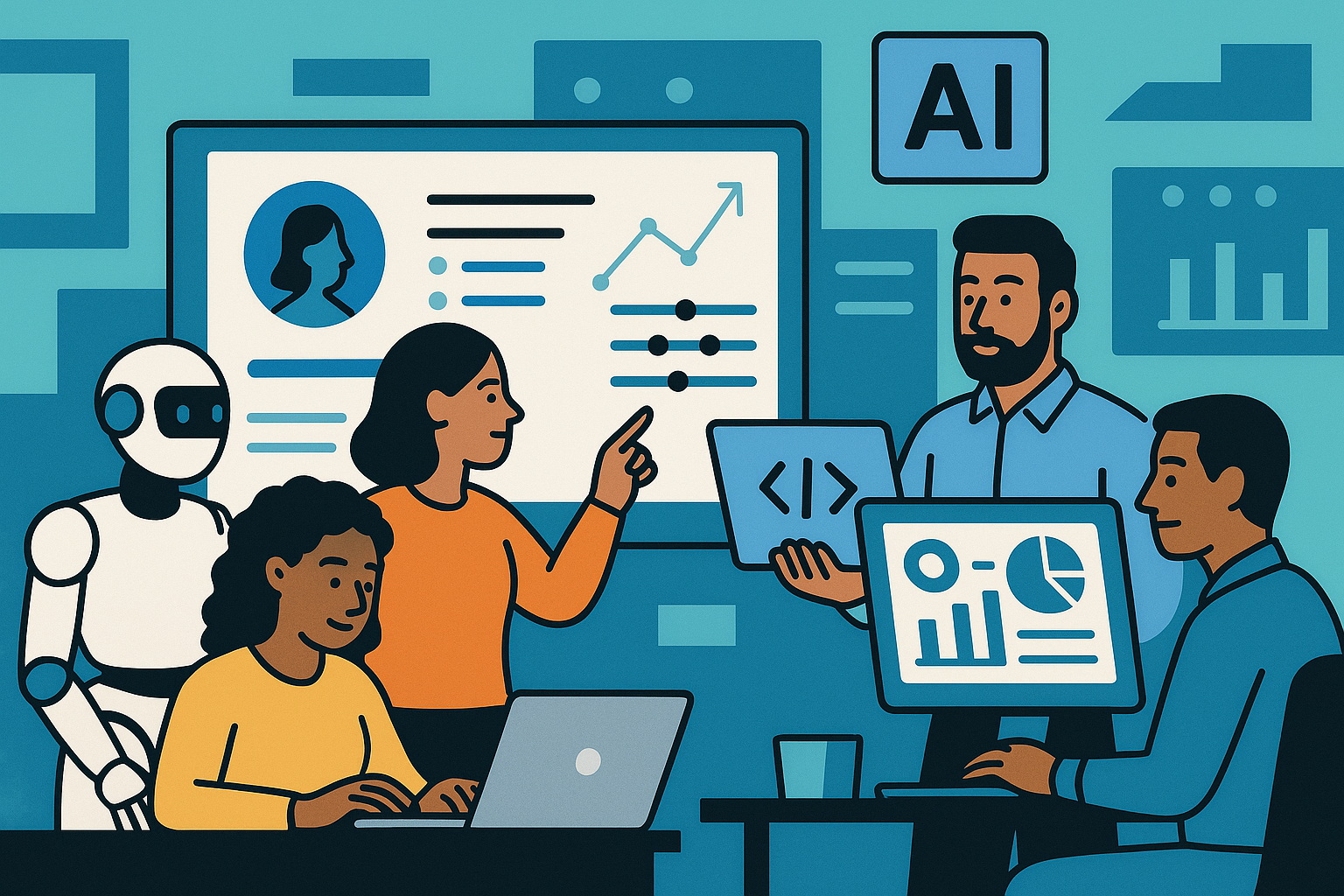
What’s emerging is a hybrid workforce, where machine intelligence handles high-frequency, low-differentiation tasks, freeing human teams to focus on brand nuance, client relationships, and innovation. Agencies that re-architect their workflows accordingly stand to gain in both margin and speed.
Rethinking the Operating Model
1. Service Delivery Becomes Productized
AI enables agencies to productize formerly bespoke services. For example, campaign landing pages can now be generated dynamically using AI templates, messaging can be personalized at scale, and reporting can be automated through natural language generation.
This shift allows agencies to scale outputs without scaling headcount, fundamentally changing unit economics. It’s no longer about billable hours—it's about outcomes delivered through intelligent systems.
2. Data-Driven Decision-Making at the Core
AI brings real-time, predictive, and prescriptive analytics to the forefront of agency operations. Instead of post-campaign reports, agencies can now offer live dashboards that track every customer touchpoint, forecast campaign performance, and adjust targeting dynamically.
The ability to translate this intelligence into strategic recommendations becomes a new source of value creation—one that builds client trust and long-term retention.
3. Client Engagement Becomes Programmatic
AI tools are allowing agencies to personalize not just customer experiences, but client service delivery. Automated onboarding flows, smart briefs, chat-based campaign progress updates, and performance alerts are streamlining client engagement.
This operational enhancement transforms agencies from reactive vendors to proactive partners—available in real time, backed by data, and continuously optimizing.
Strategic Implications for Agency Leaders
- Rebuild Around Platforms, Not Just People
- Leaders must identify which parts of their service stack can be automated, semi-automated, or enhanced by AI. Building an agency tech stack that integrates generative AI, analytics, and campaign tools is no longer optional.
- Reskill for Orchestration, Not Just Execution
- Teams must evolve from executors to orchestrators—able to prompt, edit, and guide AI tools to align with brand strategy and creative intent.
- Monetize Intelligence, Not Just Effort
- New pricing models should emerge. Flat-fee services, subscription packages, and performance-based incentives can replace the hourly billing norm.
Conclusion: Agencies Must Choose to Reinvent
The AI shift is not a question of if, but how—and how soon. Agencies that embrace AI not merely as a tool, but as a structural transformation, will reduce operational drag, improve client experience, and unlock new growth pathways.
In this era, agility, augmentation, and analytics will define the winners.





