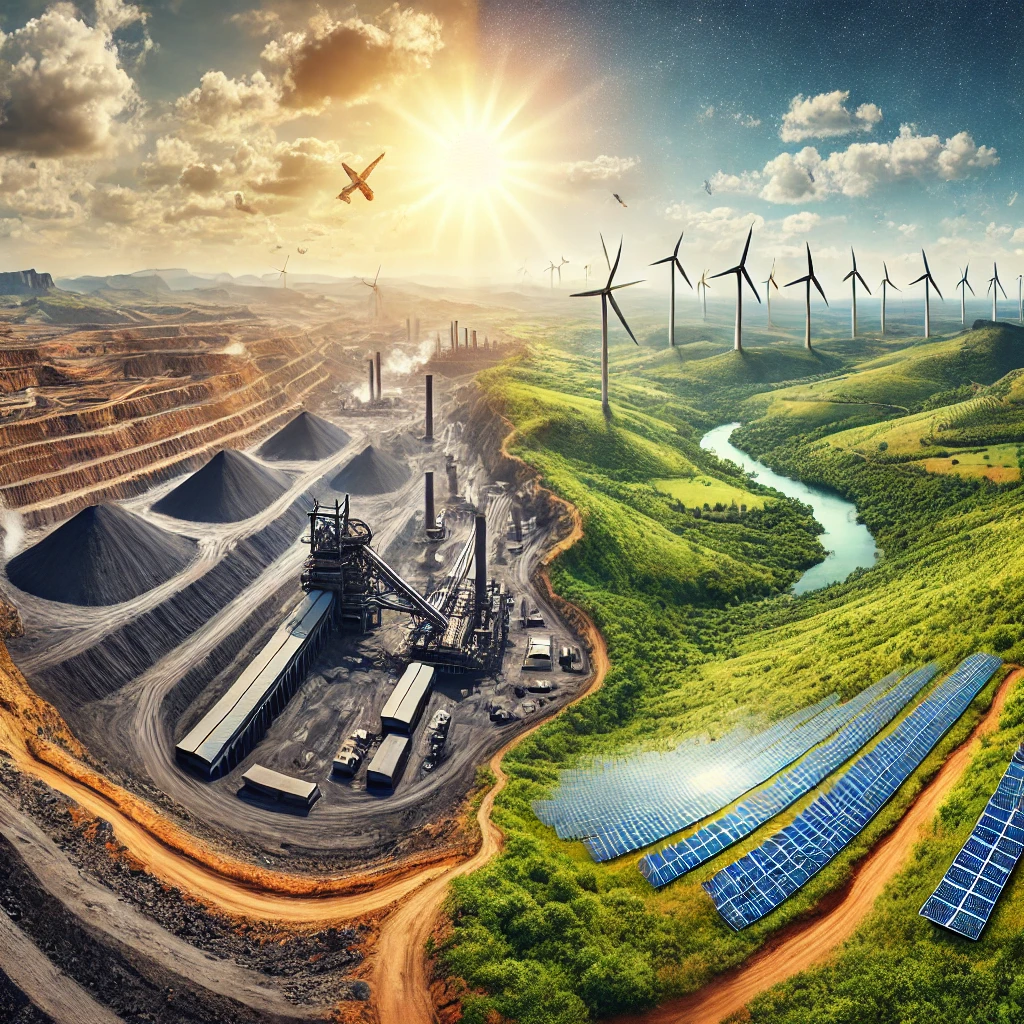
As the world grapples with the urgent need to combat climate change, the energy sector is undergoing a profound transformation. For regions like Mpumalanga in South Africa, where coal has been the backbone of the economy for decades, this shift represents both a significant challenge and a remarkable opportunity. This blog post explores the concept of a "just energy transition" and what it means for Mpumalanga—a region at the heart of South Africa's energy landscape.
What is a Just Energy Transition?
A just energy transition refers to the process of shifting from fossil fuels, such as coal, to renewable energy sources in a way that is fair and equitable. This means not only addressing environmental concerns but also ensuring that the economic and social impacts on workers and communities dependent on fossil fuels are managed responsibly.
In essence, a just energy transition seeks to balance three key objectives:
- Environmental Sustainability: Reducing carbon emissions and mitigating the effects of climate change.
- Economic Resilience: Creating new economic opportunities in renewable energy sectors and other sustainable industries.
- Social Equity: Ensuring that the benefits of the transition are shared broadly and that no one is left behind, particularly those communities that have historically depended on coal for their livelihoods.
Why is a Just Energy Transition Important for Mpumalanga?
Mpumalanga is South Africa's primary coal-producing region, home to numerous coal mines and power plants. For decades, this industry has provided jobs, supported local economies, and powered the nation. However, the environmental costs have been significant—Mpumalanga is one of the most polluted areas in the country, with severe air and water quality issues linked to coal mining and burning.
As South Africa commits to reducing its carbon emissions and meeting international climate goals, Mpumalanga faces the challenge of transitioning away from coal. Without a carefully planned just energy transition, the region could experience economic decline, job losses, and social upheaval. Conversely, with the right strategies in place, Mpumalanga could emerge as a leader in South Africa's green economy, creating new jobs, restoring damaged ecosystems, and improving the quality of life for its residents.
The Stakes: Economic and Social Impacts
The coal industry is a major employer in Mpumalanga, providing thousands of direct and indirect jobs. For many communities, coal has been a reliable source of income for generations. As such, the move away from coal could have significant social and economic implications if not managed properly.
A just energy transition must address these concerns by:
- Creating New Employment Opportunities: As coal mines close, there must be a concerted effort to create new jobs in renewable energy, agriculture, and other sustainable industries. This includes investing in skills development and training programs to help workers transition to new roles.
- Supporting Affected Communities: Communities that are heavily reliant on coal will need support to diversify their economies. This might involve promoting small and medium-sized enterprises (SMEs), encouraging local ownership of renewable energy projects, and providing financial assistance to those most affected by the transition.
- Ensuring Access to Affordable Energy: As South Africa shifts towards renewables, it is crucial to ensure that energy remains affordable and accessible to all, particularly vulnerable populations who may struggle with the costs of new technologies.
Environmental Opportunities
The environmental benefits of a just energy transition in Mpumalanga are substantial. The region has significant potential for renewable energy development, particularly in solar and wind power. By investing in these technologies, Mpumalanga can reduce its carbon footprint, improve air and water quality, and contribute to national and global climate goals.
Additionally, the closure of coal mines offers an opportunity to rehabilitate land and restore ecosystems. This could include reforestation projects, the restoration of wetlands, and the development of eco-tourism initiatives that create new economic opportunities while preserving the environment.
Looking Ahead: The Path to a Just Energy Transition in Mpumalanga
The road to a just energy transition in Mpumalanga will not be without challenges. However, by embracing this shift, the region has the potential to reinvent itself as a hub for green energy and sustainable development. This will require collaboration between government, industry, labor unions, and civil society to ensure that the transition is fair, inclusive, and beneficial for all.
In the coming months, we will explore specific opportunities, challenges, and success stories related to the just energy transition in Mpumalanga. Stay tuned as we delve deeper into how this region can navigate its energy future and build a more sustainable, resilient, and equitable economy.





