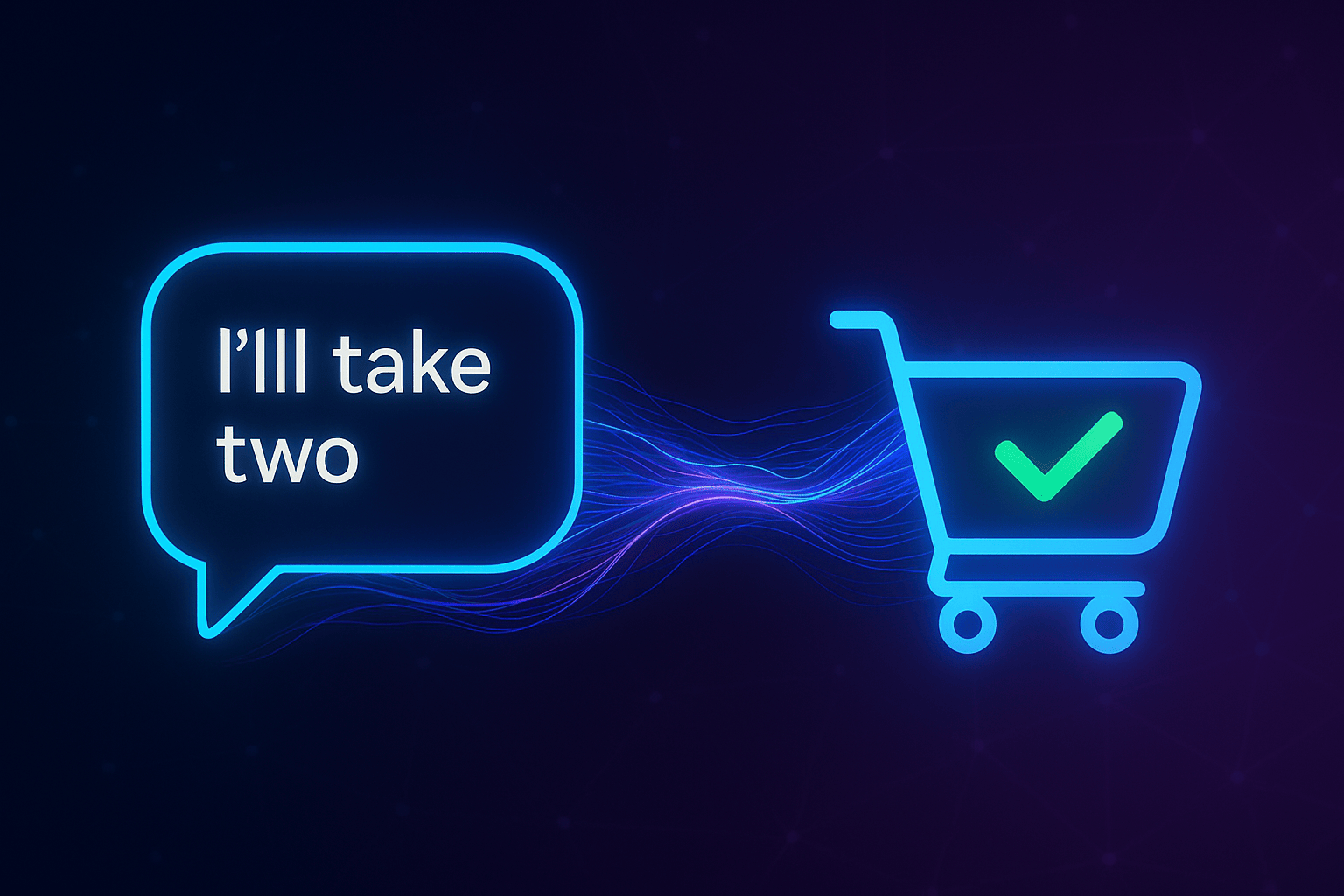
Imagine you're chatting with a friend about pizza. In a normal chat app, that’s where the story ends: just words. But what if the chat itself could close the sale, confirm delivery, and process payment, all without switching tabs, opening a browser, or typing your card details? That’s what the Agentic Commerce Protocol (ACP) does. It turns casual conversations into real transactions.
Why Chats Matter More Than Carts
Commerce has always followed attention. First it was town squares, then shopping malls, then websites. Now, attention lives in chats, WhatsApp groups, DMs, AI assistants. Yet most businesses still treat chats as "pre-sales rooms," separate from the actual checkout flow. That's like a shopkeeper who chats with customers at the door, then sends them across town to another building just to pay. Friction kills conversions.
The Agentic Commerce Protocol collapses that gap. It lets an "agent", a piece of software acting on your behalf turn intent in conversation into an instant checkout. If you say "I'll take two," the agent doesn't just note it; it finalises it.
How ACP Works at Its Core
Strip away the buzzwords, ACP is built on three simple levers:
- Intent Capture - The system listens for buying signals in natural language: "Book me a slot," "Add one more," "I want the Pro plan." No dropdowns, just words.
- Context Binding - Every chat is anchored to product metadata, payment rails, and fulfilment rules. The agent doesn't need to ask, "Which Pro plan?", it already knows the SKU, price, and inventory.
- Seamless Execution - Once intent is clear, the agent executes: charges the card (via Stripe, Paystack, or M-Pesa), updates inventory, and sends confirmation, all within the chat.
The brilliance lies in removing the "handoff." Instead of sending you to a checkout page, the checkout is the chat.
Why This Changes the Game
Think of the knock-on effects:
- Fewer drop-offs: No one abandons a cart they never had to load.
- Faster sales cycles: Impulse decisions can be sealed in seconds, before doubt creeps in.
- Democratised commerce: SMEs, creators, township entrepreneurs, anyone who can chat can now sell without coding stores or managing clunky websites.
It's commerce at the speed of conversation.
The Bigger Picture
ACP isn't just a convenience. It's a shift in the architecture of the internet. For the past 20 years, we've trained users to jump between "talking spaces" (chats) and "buying spaces" (websites, apps). ACP fuses the two. That fusion is where the next wave of growth lies, whether you're a pizza brand, a musician selling merch, or a township SME offering services.
The first platforms to integrate ACP will own the "checkout layer" of conversational commerce. Everyone else will feel like they're asking customers to fax an order form in the age of one-click pay.
Final Thought
Turning chats into checkouts isn't just a neat trick. It's the natural endgame of digital commerce: removing friction until buying feels as easy as talking. With the Agentic Commerce Protocol, every conversation can be a store, every message a trigger, and every intent a sale.
The future of selling is not in carts. It's in conversations.