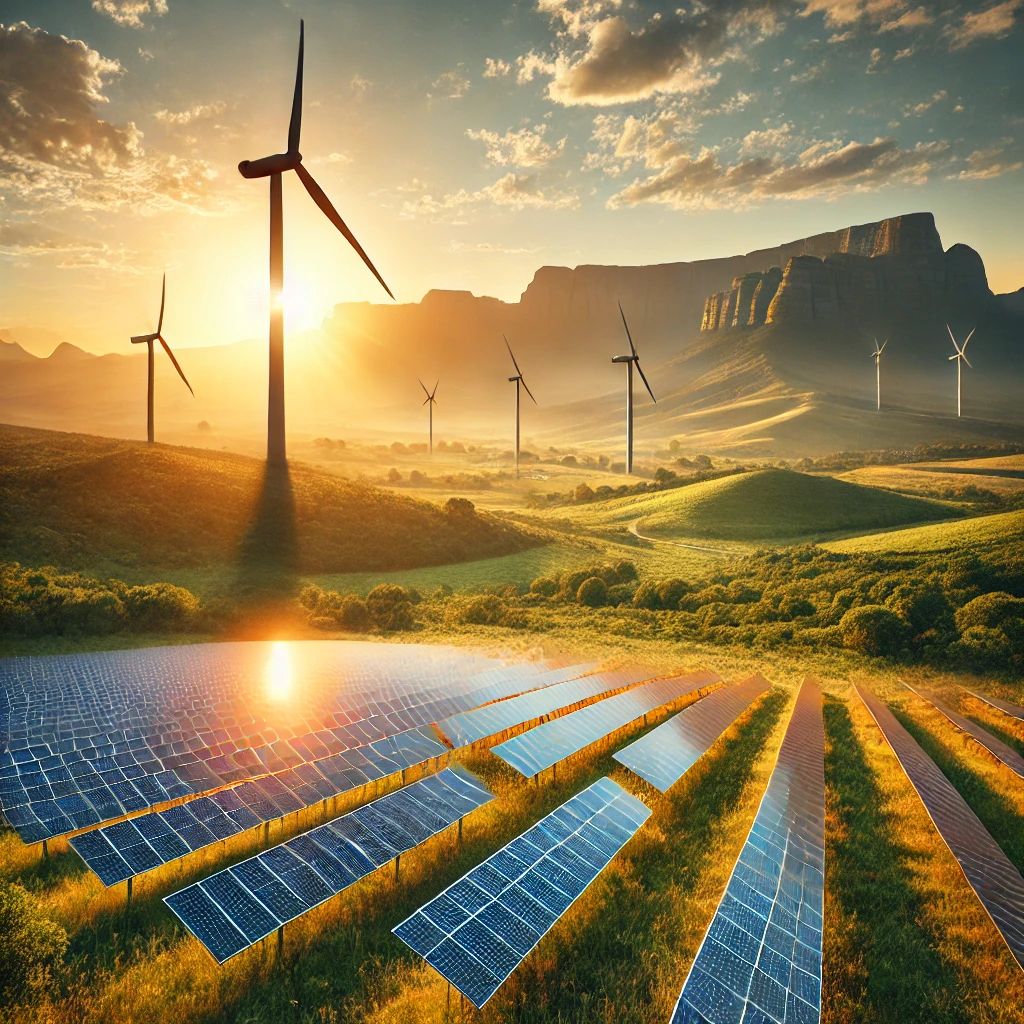
Mpumalanga, known for its rolling landscapes and rich natural resources, has long been the powerhouse of South Africa’s energy sector. Historically dominated by coal, the province is now at a critical juncture as it embarks on a journey towards renewable energy. With global and local pressures to reduce carbon emissions and transition to cleaner energy sources, Mpumalanga’s vast potential for solar and wind power is becoming increasingly apparent.
The Shift Towards Renewable Energy
As the world pivots away from fossil fuels, the importance of renewable energy cannot be overstated. Renewable energy sources like solar and wind are not only environmentally friendly but also sustainable, providing long-term energy security. For Mpumalanga, this shift represents a significant opportunity to diversify its energy portfolio and reduce its dependence on coal, which has dominated the region’s economy for decades.
Solar Power: Harnessing the Sun’s Energy
Mpumalanga is blessed with abundant sunshine, making it an ideal location for solar power generation. Solar energy, which involves converting sunlight into electricity using photovoltaic (PV) panels, is one of the most promising renewable energy sources for the region.
Key Benefits of Solar Power in Mpumalanga:
- Abundant Sunshine: Mpumalanga receives an average of 2,500 hours of sunshine annually, providing a reliable source of energy throughout the year.
- Job Creation: The construction, operation, and maintenance of solar farms can create numerous job opportunities for local communities, particularly in areas where coal mines are closing.
- Energy Security: Solar power can contribute to a more resilient energy grid, reducing the region’s vulnerability to power outages and fluctuations in coal supply.
Current and Potential Solar Projects: Several solar projects are already underway in Mpumalanga, with more in the planning stages. These projects range from large-scale solar farms to smaller, community-based initiatives. The region’s vast open spaces are particularly suited for the development of solar farms, which can generate significant amounts of electricity for both local use and export to the national grid.
Wind Power: Capturing the Breezes
While solar power is often the first renewable energy source that comes to mind, wind power also holds significant potential for Mpumalanga. Wind energy is generated by converting the kinetic energy of wind into electricity using wind turbines. The province’s varied topography, particularly in elevated areas, provides suitable conditions for wind power generation.
Key Benefits of Wind Power in Mpumalanga:
- Complementary to Solar: Wind power can complement solar energy by generating electricity during periods when the sun is not shining, such as at night or during cloudy weather.
- Land Use Efficiency: Wind turbines can be installed on agricultural land, allowing for dual land use – energy production and farming – without significant disruption to existing activities.
- Long-Term Economic Benefits: Wind power projects have a long operational life, providing steady revenue and job opportunities for decades.
Current and Potential Wind Projects: Wind power is still in the early stages of development in Mpumalanga, but the potential is significant. Feasibility studies and wind resource assessments are ongoing, identifying the most promising sites for wind farm development. As the technology becomes more cost-effective, we can expect to see an increase in wind power projects across the region.
Overcoming Challenges to Renewable Energy Development
While the potential for solar and wind power in Mpumalanga is immense, there are challenges that must be addressed to fully realize this potential:
- Infrastructure Development: The existing grid infrastructure in Mpumalanga, designed primarily for coal, will need to be upgraded to accommodate renewable energy sources. This includes the development of new transmission lines and grid management technologies.
- Community Engagement: Ensuring that local communities are actively involved in renewable energy projects is crucial. This includes providing training and education programs to equip residents with the skills needed to participate in the renewable energy economy.
- Policy Support: Strong government policies and incentives are necessary to attract investment and support the growth of renewable energy in Mpumalanga. This includes clear guidelines for land use, environmental impact assessments, and financial incentives for renewable energy projects.
The Future of Renewable Energy in Mpumalanga
The transition to renewable energy in Mpumalanga represents a significant shift not only in the region’s energy landscape but also in its economic and social fabric. By tapping into its vast solar and wind resources, Mpumalanga can lead the way in South Africa’s journey towards a more sustainable and resilient energy future.
As the province moves forward, it will be essential to balance the development of renewable energy with the need to ensure a just transition for workers and communities affected by the decline of the coal industry. With careful planning and strategic investment, Mpumalanga has the potential to become a hub for renewable energy, creating new opportunities for growth and development while contributing to the global fight against climate change.
The sun is shining, and the wind is blowing – it’s time for Mpumalanga to harness these powerful forces and lead the charge towards a greener, more sustainable future.





