TL;DR
The media agency of the future is not just a buyer of ad space. It’s an AI-native, data-rich, strategy-led, revenue-focused growth partner. It blends creativity with algorithms, strategy with automation, and storytelling with real-time optimisation.
From Billboards to Behavioural Models
The traditional media agency was all about reach and frequency. Think TV, radio, billboards. Then came programmatic ads and performance marketing. Now, the future is neither just performance-driven nor purely brand-building — it’s entity-based, algorithmic, and real-time responsive.
In a world where attention is fractured and AI is co-creating culture, media agencies must evolve from media buyers to narrative engineers.
The 7 Core Traits of the Media Agency of the Future
1. AI-First, Not AI-Added
AI is not the intern; it’s the co-strategist.
Media agencies will integrate LLMs, computer vision, voice AI, and predictive modelling into every workflow — from creative concepting to campaign reporting. The agency’s edge? How they fine-tune AI on proprietary data and industry knowledge.
2. Outcome-Based Compensation
“Don't pay us for impressions. Pay us for impact.”
Clients will demand business results, not just media metrics. The future agency earns from attribution-linked outcomes: leads, revenue, LTV, conversions. This flips the model from "hours worked" to "value delivered".
3. Unified Data Layer
No more fragmented dashboards. The agency of the future builds or integrates into a CDP (Customer Data Platform) and links real-time data with causal inference models, not just correlation dashboards.
Data → Insight → Action → Feedback → Optimisation → Loop.
4. Composable Teams
Forget fixed teams. Think project-based squads: a strategist in Johannesburg, a creator in Lagos, a data scientist in Nairobi, a media buyer in Cape Town. Agencies become modular platforms, matching skills to briefs at scale.
5. Synthetic + Organic Creativity
Generative AI will co-create content — from ads to avatars — guided by human oversight. Creative directors will orchestrate prompts, not just concepts. Virality becomes a design variable, not a lucky break.
6. Embedded in Client Ecosystems
They’re not “agencies”; they’re plug-ins.
They integrate with client tech stacks (HubSpot, Salesforce, GA4, Shopify, etc.), automate reporting, and act like fractional growth officers. They build landing pages, sales automations, and digital twins — not just campaigns.
7. Sustainability and Ethics by Default
Media buys will factor in green media practices, algorithmic fairness, and brand safety in synthetic environments (e.g. AI-generated content). The future agency is ESG-ready, not just ROI-driven.
What Does This Mean for Clients?
- Shorter pitch cycles → Agencies will be selected based on tools + IP + templates, not just case studies.
- Always-on experimentation → Growth loops will replace “campaigns”.
- Strategic partnerships → Agencies won’t just execute strategy; they’ll co-author it.
South African Advantage
Africa — and SA in particular — has the opportunity to leapfrog legacy agency models. With younger audiences, mobile-first behaviours, and a booming creator economy, South African media agencies can:
- Productise their IP (think: AI templates + micro SaaS).
- Offer “growth as a service” to global and local clients.
- Train AI using culturally-relevant local data.
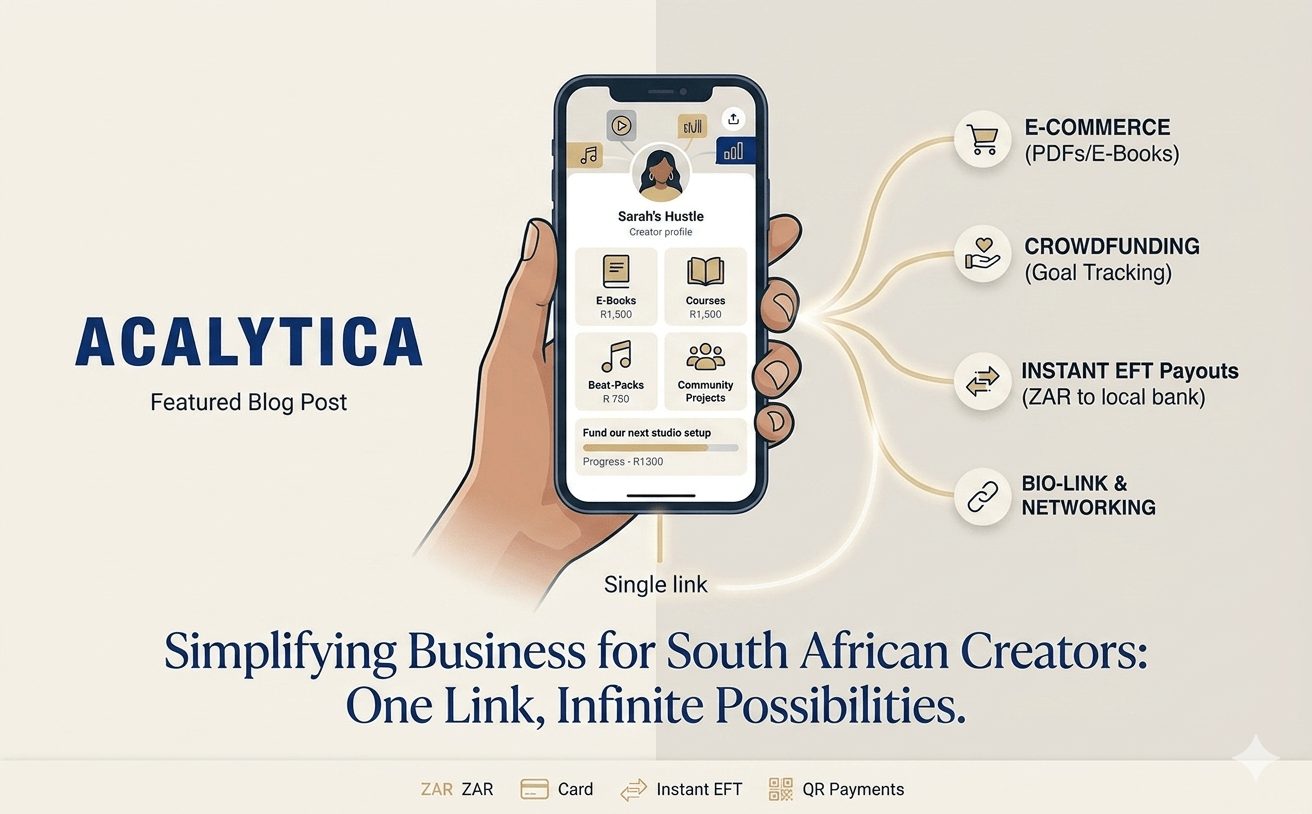
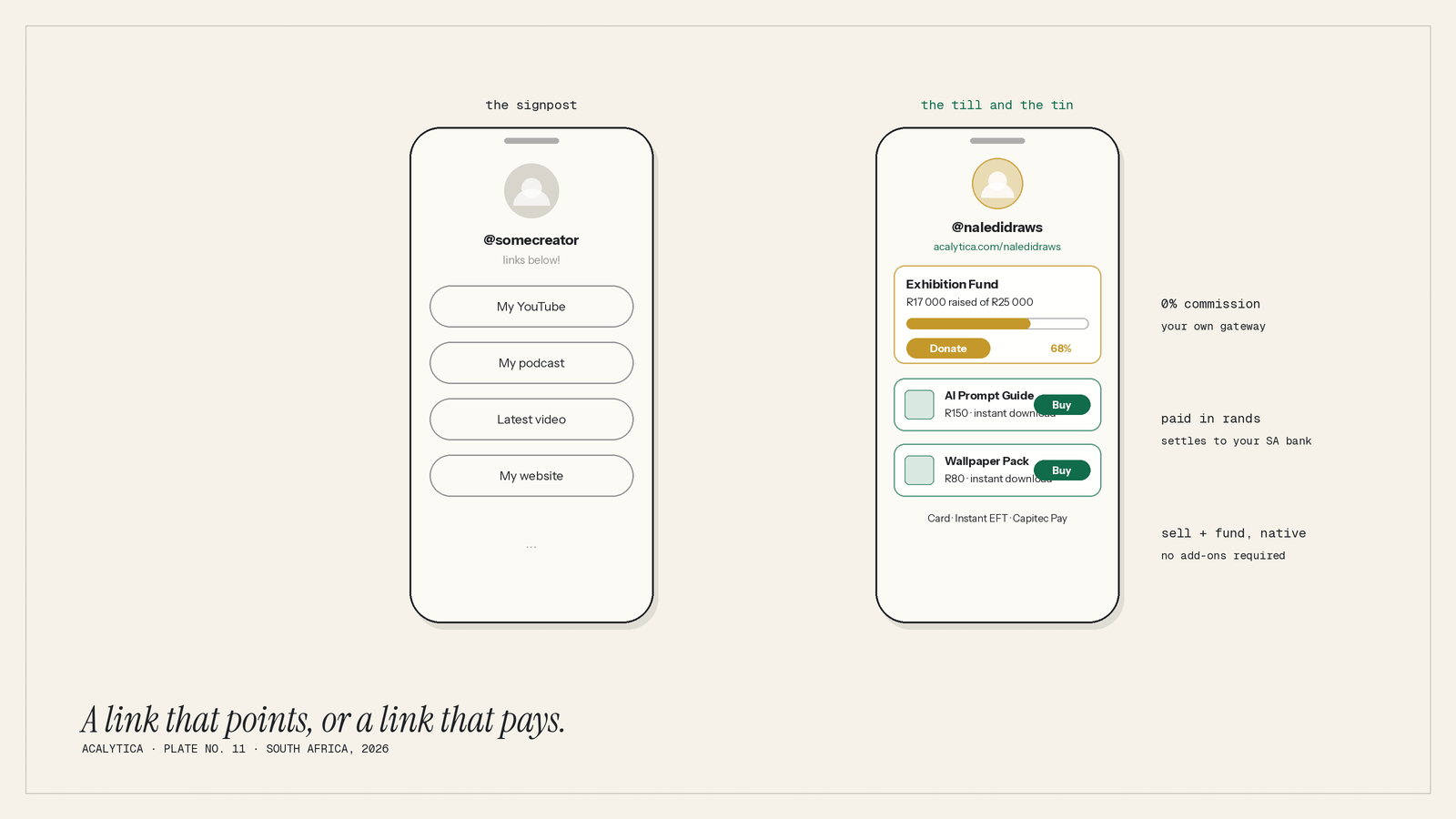
Platforms like Acalytica are already enabling this shift — giving agencies AI-driven tools to launch, track, and monetise client campaigns without needing developers or big tech budgets.
Final Word: Adapt or Be Automated
The agency of the future won’t be the one with the best pitch deck. It’ll be the one that delivers results faster, cheaper, and smarter — powered by AI, shaped by culture, and obsessed with client growth.
It’s not about being the biggest agency anymore. It’s about being the most adaptable.