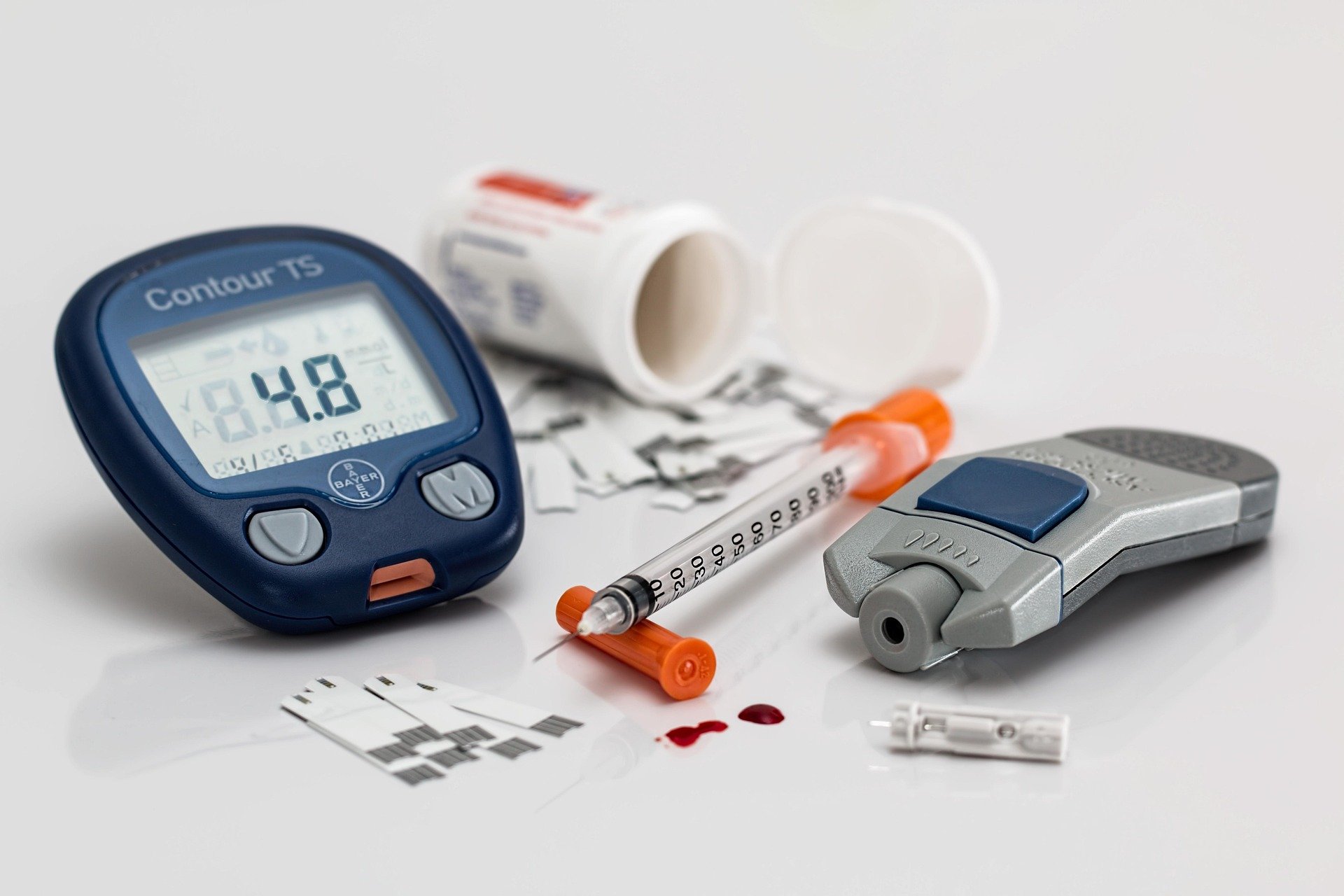
The intersection of artificial intelligence (AI) and healthcare has been long anticipated, but we’re now witnessing an inflection point—especially in chronic disease management. Among the most promising domains is AI-powered Clinical Decision Support (CDS) for diabetes, a space brimming with potential for founders, technologists, and healthcare innovators.
📊 The Diabetes Epidemic: A Market in Need of Innovation
Globally, over 537 million adults live with diabetes, and this number is expected to rise to 643 million by 2030 (IDF Diabetes Atlas, 2021). The burden is especially heavy in low- and middle-income countries, where access to endocrinologists, diagnostic tools, and consistent treatment remains a challenge.
The result? Millions suffer from avoidable complications like neuropathy, kidney failure, and amputations—all of which strain health systems and economies.
This is where AI-powered CDS tools come into play: they empower frontline health workers, nurses, and general practitioners with the insights typically reserved for specialists, democratizing quality care.
🚀 What Is AI-Powered Clinical Decision Support?
AI-powered CDS systems use machine learning models trained on clinical data—lab results, glucose readings, electronic health records (EHRs), and more—to:
- Flag abnormal patterns or risks (e.g., early signs of diabetic ketoacidosis).
- Recommend treatment options based on up-to-date guidelines.
- Personalize medication dosages or lifestyle interventions.
- Predict hospital readmissions or complications.
- Enable remote monitoring and proactive care.
The result? Faster, more accurate decisions, reduced burnout for providers, and better patient outcomes.
💼 Entrepreneurial Opportunities: From Idea to Impact
1. Localized CDS Tools for Underserved Markets
Most existing CDS systems are built for high-income contexts. There's a gap in the market for localized AI models that reflect African, Asian, or Latin American population data. Entrepreneurs can build tools tailored for:
- Rural clinics
- Community health workers
- Mobile health units
Partnering with ministries of health or NGOs can lead to large-scale public health deployments.
2. API Infrastructure & Developer Toolkits
The next wave of growth in this space may be in the “picks and shovels”: platforms that provide AI-ready APIs for diagnosis, prediction, and visualization, allowing other startups and healthtech products to integrate intelligent diabetes support without building from scratch.
Think “Stripe for clinical intelligence”—and Acalytica’s API-first philosophy aligns perfectly with this trajectory.
3. Data Aggregation Startups
Clean, structured, anonymized health data is the lifeblood of AI models. Startups that solve data aggregation and labeling—especially in fragmented health systems—can license their datasets or models to larger players.
Even better? Build data cooperatives where patients retain ownership and monetize their health data ethically.
4. B2B2C Platforms for Pharmacies & Clinics
Many pharmacies and small private clinics lack decision-support tools. Entrepreneurs can create tablet-based or mobile-first CDS solutions bundled with:
- Patient education content
- Supply chain tools (e.g., insulin stock tracking)
- Referral systems
These can be monetized via subscription models, tiered access, or affiliate partnerships with insurers and pharma.
5. AI-Powered Second Opinions
A digital second opinion platform specifically for complex diabetes cases (e.g., diabetic foot ulcers, pregnancy with diabetes, dual diagnoses like TB) can be a game-changer, especially in regions with limited specialists. AI assists clinicians, while human specialists validate high-risk flags—building trust over time.
💸 Monetization & Business Models
Depending on your positioning (B2B, B2C, or B2G), here are viable revenue streams:
- SaaS Licensing to clinics, hospitals, or governments.
- Data-as-a-Service for researchers and pharmaceutical companies.
- API Subscriptions for developer platforms.
- Freemium with Paid Insights for patients or caregivers.
- Outcome-Based Payments from insurers or health programs.
The smart play? Embed analytics and social proof into your platform from day one—tools that Acalytica already provides.
🔐 Regulatory & Ethical Considerations
Entering the clinical space means playing by strict rules:
- Secure certifications (e.g., CE, FDA, SAHPRA).
- Implement rigorous data privacy (GDPR, POPIA, HIPAA).
- Prioritize explainability in AI decisions.
- Ensure clinical validation through real-world pilots.
Entrepreneurs who bake ethics and compliance into their core infrastructure will have a competitive edge in both funding and adoption.
🌍 Why Now, Why Africa?
Africa has a fast-growing diabetes burden, a young population, and increasingly digitized health systems. With mobile-first infrastructure and a booming startup ecosystem, the continent is primed for leapfrogging traditional care pathways.
Combine that with:
- Growing interest from impact investors and health funds,
- Open-source AI frameworks,
- National strategies for digital health (e.g., South Africa’s Health Normative Standards Framework),
…and the time to act is now.
🧠 The Acalytica Angle
At Acalytica, we empower creators and entrepreneurs—whether you’re launching an AI-powered CDS tool, building a landing page for clinical trials, or offering digital products to caregivers. With our suite of tools:
- You can consolidate your digital presence (via MyLinks),
- Analyze user behavior (via Web Analytics),
- Generate trust (via Social Proof),
- Deliver courses and upskill health workers (via Academy),
- And track performance (via Monitoring).
- AI-powered clinical decision support for diabetes (via CausaDiabetes)
You're not just building a tool. You're building a brand. We're here to help you grow.
Ready to Start?
Whether you're a clinician with an idea, a data scientist with a prototype, or a startup looking for distribution—AI-powered clinical decision support for diabetes is your launchpad.
Let Acalytica be your co-pilot.





