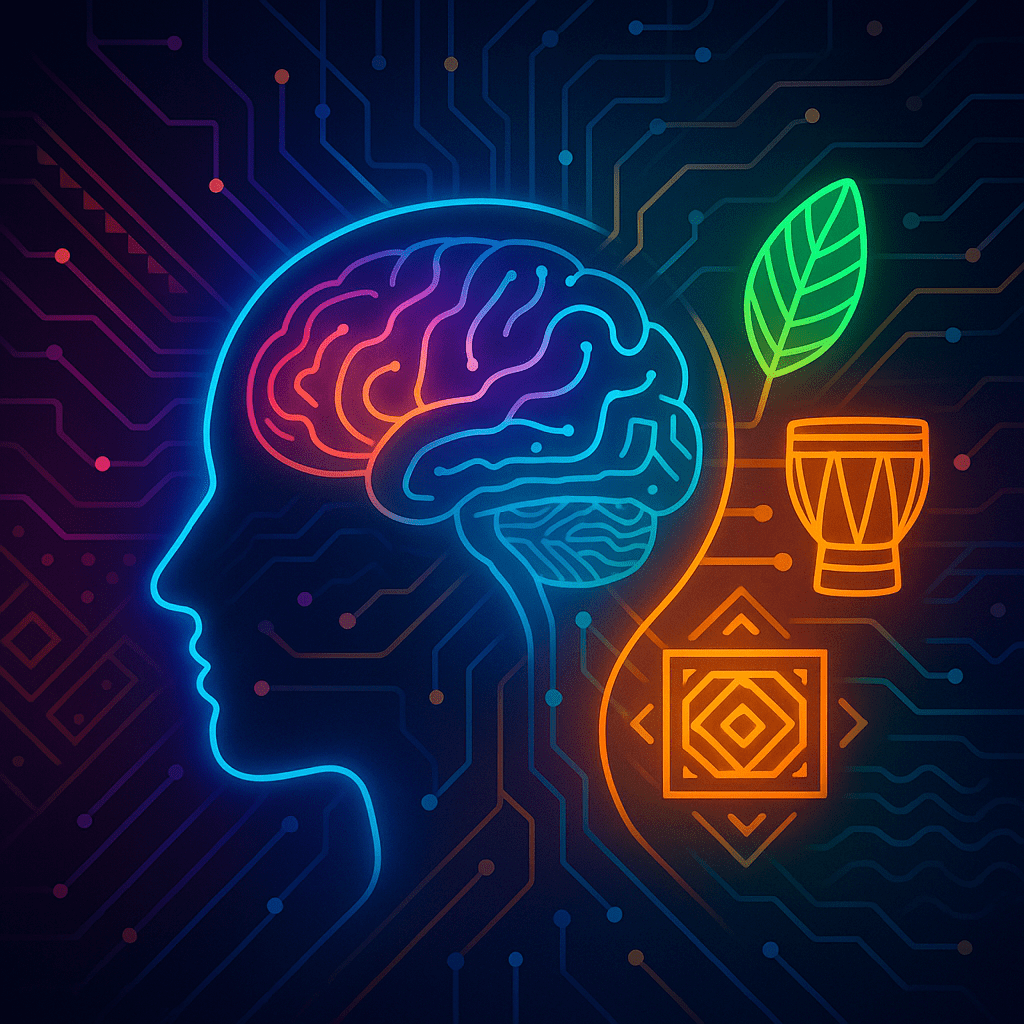
Marketers like to think they know why people choose brands. They'll point to features, ads, or price. But neuroscience tells us something uncomfortable: much of the decision happens before we're even conscious of it. Welcome to neurobranding, the study of how brains, not just people, respond to brands. Add culture to the mix, and you get the next frontier of branding research.
What is Neurobranding?
It's branding that doesn't just ask what people say they like, but measures what their brains and bodies reveal. Eye-tracking shows where attention lands. Skin sensors detect excitement. fMRI scans reveal which areas of the brain light up when someone sees your logo.
The insight is simple but powerful: people don’t always know why they choose. Neurobranding gets closer to the truth.
Why Culture Matters
A colour that signals trust in one culture might signal mourning in another. A gesture that feels friendly in one country can feel insulting in another. Most branding models were built in Western markets and exported globally. But in Africa, Asia, and Latin America, meanings shift.
This is a gap in current research: how neurobranding interacts with cultural context. A logo that triggers excitement in New York might fall flat in Lagos or Mumbai.
The Promise of Neurobranding
- Deeper emotional insight. Going beyond surveys to measure real reactions.
- Designing for the subconscious. Crafting visuals and sounds that bypass rational resistance.
- Predicting brand performance. Early tests can forecast whether a campaign will stick or flop.
The Ethical Dilemma
If you can trigger emotions directly, where’s the line between persuasion and manipulation? Using neuroscience to nudge behaviour isn't neutral. The same tools that build loyalty can also exploit vulnerabilities. Brands need guardrails: transparency, respect, and consent.
The Cultural Opportunity
Emerging markets aren't just "catching up." They're laboratories of innovation. In South Africa, Nigeria, India, and Brazil, cultural codes mix old traditions with digital-first lifestyles. Neurobranding research here could uncover entirely new emotional drivers of brand love.
The Bottom Line
The next era of branding won't be built only on clever slogans or digital dashboards. It will be built on understanding how brains and cultures interact with brand signals.
The challenge is to use that knowledge with responsibility. Because the real test of brand leadership in the future won't just be who can influence behaviour, but who can do it in ways that respect people’s minds and cultures.





