As the pace of digital transformation accelerates, traditional marketing agencies are being forced to confront structural inefficiencies in how they create, deliver, and capture value. Clients demand speed, personalization, and measurable outcomes, while internal teams grapple with fragmented workflows and rising delivery costs.
Against this backdrop, a new model is emerging: the AI-native, productized marketing agency. It blends human insight with machine intelligence to deliver repeatable, high-impact marketing solutions at scale. Below is a breakdown of the strategic architecture driving this shift.
1. Target Segments: Diverse, Data-Hungry, and Results-Obsessed
The AI agency primarily serves:
- Small to mid-sized businesses seeking affordable scale
- E-commerce brands prioritizing conversion and automation
- Enterprise teams needing augmentation over headcount
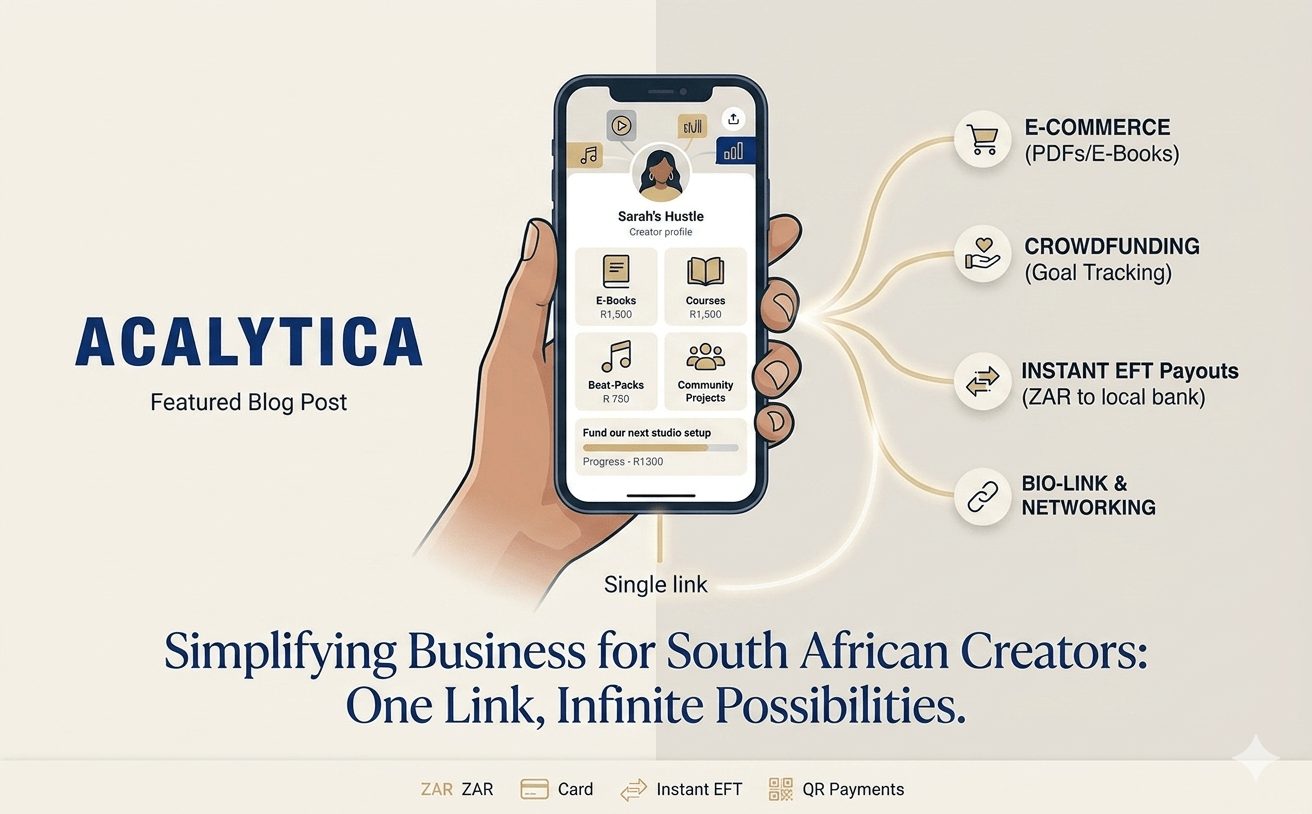
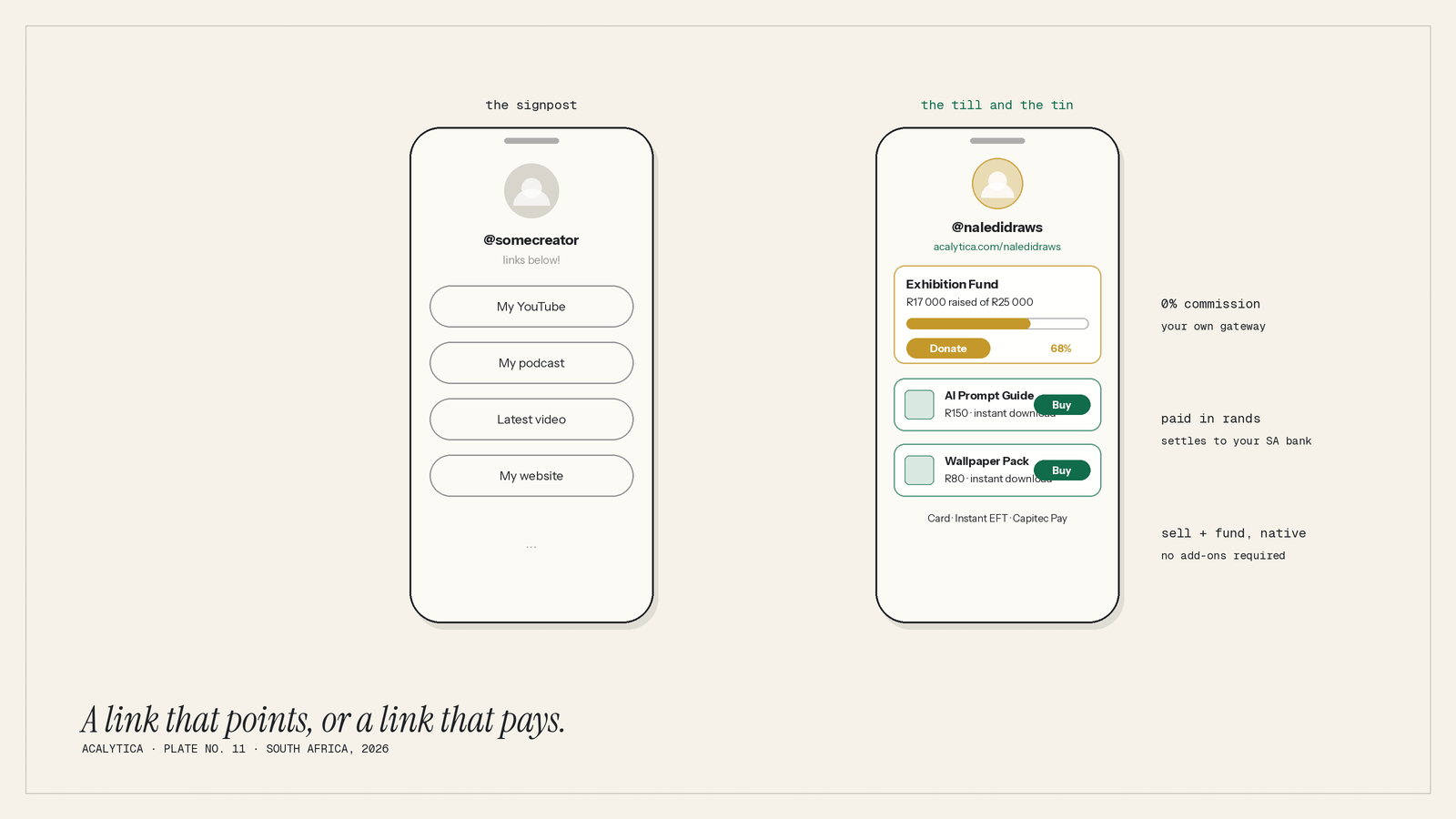
- Influencers and digital creators looking for branded monetization pages
- Other agencies who white-label the tools and resell under their own brand
These segments converge around one need: outcome-driven, scalable marketing with minimal friction.
2. Differentiated Value: Beyond Services, Into Systems
The value proposition lies in delivering marketing as a system, not as fragmented projects:
- AI-powered templates reduce campaign turnaround by up to 70%
- No-code client portals streamline onboarding and communication
- Predictive analytics and sentiment tools demonstrate measurable ROI
- Productized offerings simplify scoping and speed up sales cycles
- Agencies monetize both delivery and platform usage through affiliate and licensing models
Clients experience faster delivery, higher visibility into results, and more control, without needing in-house capacity.
3. Go-To-Market: From Inbound Channels to Platform-Led Growth
Customer acquisition is driven through:
- SEO-optimized content showcasing AI use cases
- Organic brand building across LinkedIn and YouTube
- Co-branded affiliate campaigns with trusted creators
- Product discovery via platform marketplaces (e.g., Acalytica Templates)
- Direct outreach to other agencies and resellers via white-label onboarding
This multi-pronged channel strategy supports both direct B2B growth and B2B2B platform expansion.
4. Relationship Model: Co-Creation Over Transaction
Customer retention stems from:
- Self-service onboarding powered by intuitive templates
- Integrated analytics and auto-generated client reports
- Transparent performance data and visual dashboards
- Optional hands-on consulting or strategy sessions for premium tiers
Clients are not passive recipients. They are co-creators of value, using embedded tools to ideate, iterate, and optimize in real time.
5. Revenue Stack: From Services to Software Economics
The monetization model shifts from hours to outcomes:
- Tiered monthly subscriptions (fixed-scope, productized offerings)
- Project-based upgrades (e.g., portal customization, AI model tuning)
- White-label licensing for agency resellers
- Affiliate revenue from client tool usage and referrals
- Recurring upsells on analytics, SEO audits, or conversion optimization templates
This structure creates recurring, scalable revenue, with margin expansion tied to platform adoption rather than team growth.
6. Enabling Infrastructure: The AI-First Stack
Operational efficiency is underpinned by:
- AI copilots for copywriting, reporting, persona generation, and media planning
- No-code platforms like Acalytica to host templates and client portals
- Zapier/Make integrations for automation
- CRM and funnel analytics tools to optimize onboarding and retention
- Prompt libraries to standardize delivery and scale team knowledge
This lightweight, modular stack enables mass personalization without overhead.
7. Key Activities: Codify, Deliver, Optimize
Strategic focus shifts from ad hoc execution to:
- Designing repeatable templates for strategy, creative, and media
- Continuously optimizing AI workflows and prompts
- Training internal teams and clients on co-creation tools
- Monitoring performance and refining delivery models
- Managing community and partner ecosystems
The agency becomes less of a service provider, more of a growth operating system.
8. Strategic Partnerships: Distribution and Differentiation
Growth is accelerated through:
- Partnerships with AI infrastructure providers (e.g., OpenAI, Midjourney)
- No-code ecosystems and plugin marketplaces
- Affiliate deals with complementary SaaS tools (analytics, SEO, CRMs)
- Collaborations with creators and niche marketing educators
- White-labeling arrangements with smaller agencies and freelancers
These partnerships extend reach, enhance functionality, and enable scale without dilution.
9. Cost Structure: Fixed-Light, Margin-Rich
Costs are lean and predictable:
- AI API usage and platform hosting
- Talent (prompt engineers, strategists, designers)
- Customer success and onboarding support
- Affiliate or licensing payouts
- Tooling (CRM, automation, analytics)
The structure supports a high-margin, low-overhead growth model, with operational complexity offloaded to systems, not headcount.
Conclusion: The Future-Fit Agency Is Already Here
The marketing agency of the future will look less like a boutique creative house and more like a tech-enabled, product-led growth company. It won’t just serve clients, it will enable them, empower them, and scale with them.
Agencies that adopt this model will do more than survive, they will define the standard.
And with platforms like Acalytica, the infrastructure to power this evolution is already within reach.