In 1969, Jimi Hendrix closed Woodstock with a performance that would echo through history. His rendition of "The Star-Spangled Banner" was raw, electric, and unforgettable. It was a moment that couldn’t be reproduced—and that was its magic. Today, as AI reshapes the music landscape, live performances are once again evolving, but this time the question is: Can technology capture that magic?
AI-generated music challenges traditional ideas of performance, but rather than making concerts obsolete, it opens doors to entirely new forms of artistic expression. From virtual reality (VR) concerts to AI-enhanced stage shows, the future of performance isn’t about replacing human presence—it’s about enhancing it.
The Hybrid Stage: Merging Physical and Digital Worlds
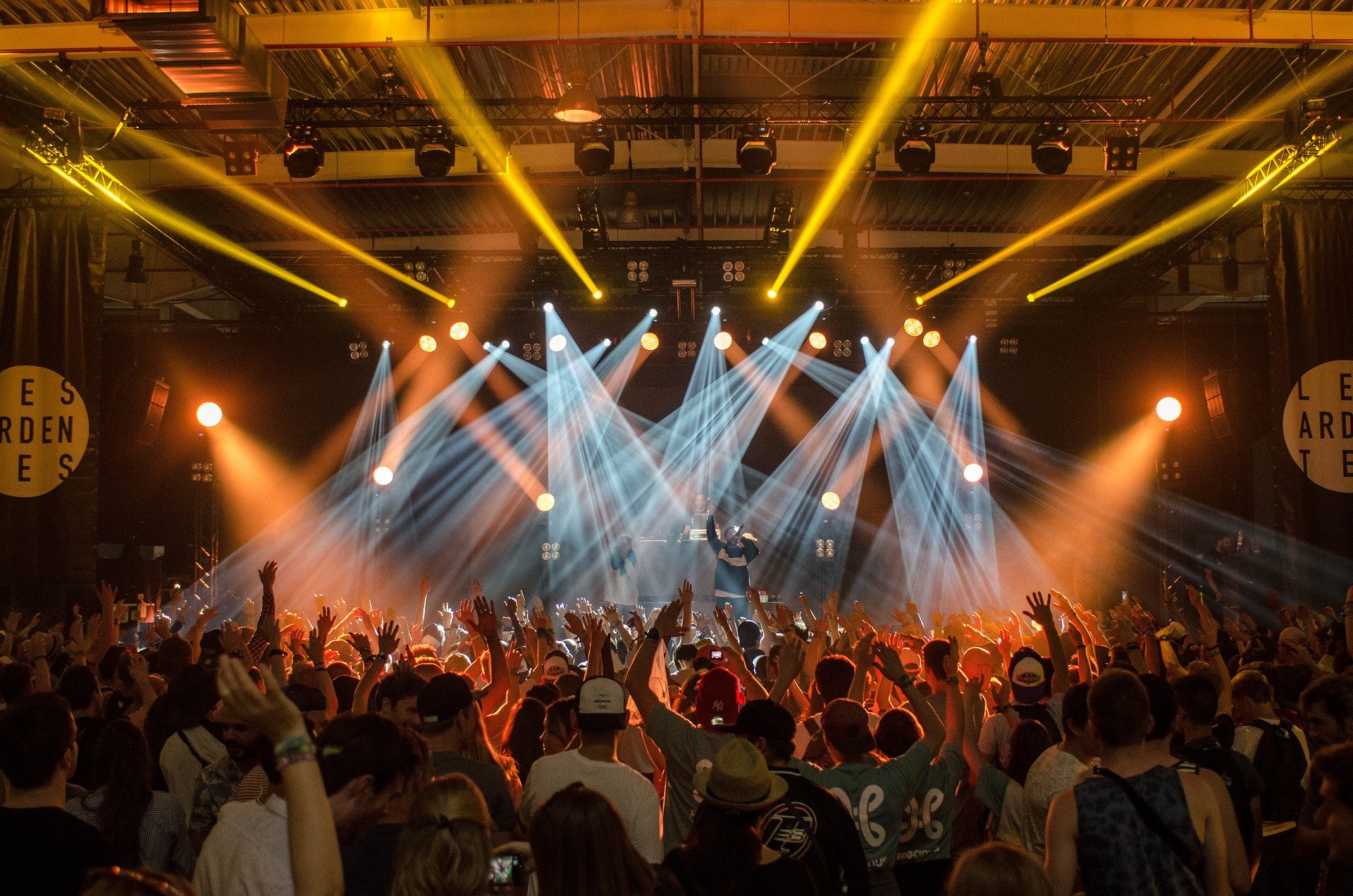
Imagine stepping into a concert where the lights pulse in sync with AI-generated beats, visuals respond in real-time to audience energy, and holograms expand the stage beyond physical constraints. These hybrid experiences are no longer science fiction—they’re happening now.
Artists like Travis Scott and Lil Nas X have already hosted virtual concerts inside platforms like Fortnite and Roblox, attracting millions of attendees. These performances proved that music isn’t limited by geography, allowing global audiences to connect in shared virtual spaces.
Interactive Performances: Turning Audiences into Participants
AI tools enable artists to transform passive audiences into active participants. Imagine:
- Fans voting in real-time to alter a song’s tempo or lyrics.
- AI analyzing audience emotions and adapting light shows or beats accordingly.
- Immersive 3D environments that evolve as the performance unfolds, creating a dynamic, co-created experience.
These innovations shift concerts from being spectacles to collaborative events, deepening the connection between artists and fans.
Personalization at Scale
AI doesn’t just create music; it tailors it. Concerts of the future could personalize setlists based on the demographics or listening habits of attendees. For example:
- AI could analyze Spotify playlists to predict the tracks that resonate most with the crowd.
- Fans could receive custom-generated intros or outros to songs, making each concert experience unique.
This hyper-personalization mirrors trends in streaming and social media, where algorithms shape content consumption. By integrating these insights, live shows can feel both intimate and epic.
The Rise of Virtual and Augmented Reality
Virtual and augmented reality (VR and AR) take personalization further by creating immersive, multisensory performances. In VR concerts, fans don’t just watch—they explore.
- VR allows artists to perform in fantastical worlds limited only by imagination—floating stages, cosmic backdrops, or underwater soundscapes.
- AR overlays visuals onto physical spaces, turning stadiums into interactive art installations.
- AI-generated avatars enable artists to perform virtually, expanding their reach without travel.
These technologies make concerts more accessible while unlocking creative possibilities that defy traditional staging.
AI-Generated Sets and Visuals
Music isn’t the only thing AI can generate—it’s also transforming the visual aspects of performances. Tools like GANs (Generative Adversarial Networks) create dynamic visual art that responds to sound and movement.
- AI visuals can shift based on the energy of the crowd, heightening emotional moments.
- Projection mapping can create illusions, turning stages into living canvases.
By pairing AI visuals with live performances, artists create multisensory experiences that transcend the auditory.
Challenges and Opportunities
With these possibilities come challenges:
- Authenticity: Will audiences feel disconnected if AI dominates too much of the performance? The key is balance—technology should amplify, not overshadow, human presence.
- Accessibility: High-tech performances may alienate those without access to advanced devices or stable internet connections.
- Ethics and Ownership: Who owns AI-enhanced performances—the artist, the AI tool, or the platform hosting the experience?
Artists will need to address these questions while pushing boundaries.
The Future of Live Performance
Far from killing live music, AI is turning performances into immersive, personalized, and participatory experiences. Artists who embrace these tools can:
- Expand their reach through virtual concerts and hybrid formats.
- Create deeper connections with fans through real-time interaction.
- Use AI visuals and effects to heighten emotional impact.
The New Stage
Hendrix’s guitar at Woodstock couldn’t be duplicated, but today’s artists don’t need to duplicate the past—they can reinvent the stage entirely. By blending human presence with AI and immersive technologies, performers can create moments that feel as groundbreaking as Woodstock—only this time, the audience isn’t limited to those standing in the mud. It spans continents, screens, and virtual worlds.
The future of performance doesn’t erase humanity. It amplifies it.