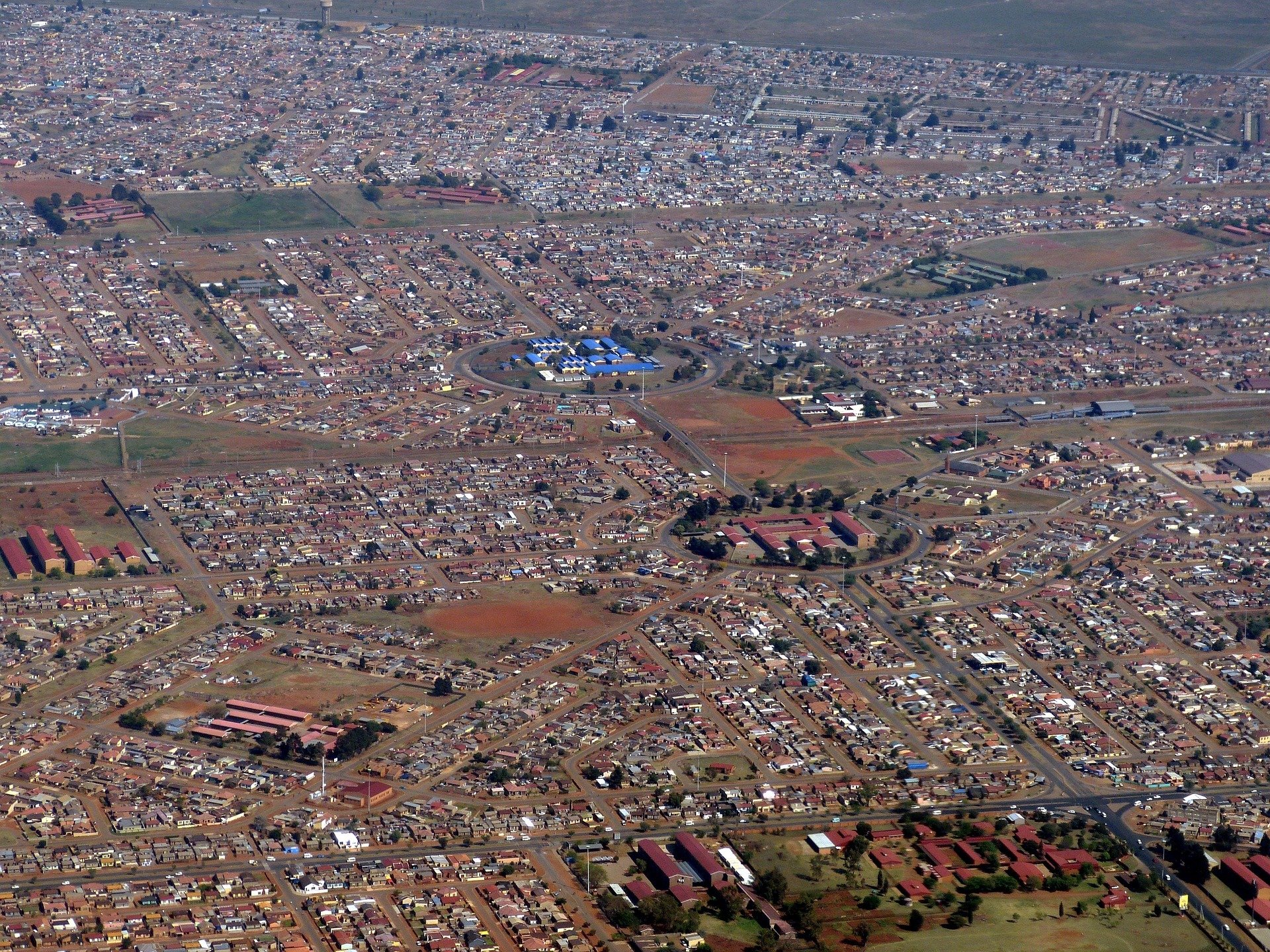
The informal economy isn’t just a broad concept—it’s a collection of diverse industries, each with its unique challenges and opportunities. From agriculture to artisan crafts, these sectors are hubs of resilience, innovation, and untapped potential. In this article, we’ll explore some key industries within South Africa’s informal economy, their impact, and how we can unlock their full potential.
1. Agriculture and Food Markets: The Backbone of Communities
Let’s start with the soil. Informal agriculture—small-scale farming and food vending—plays a crucial role in feeding millions of South Africans. Local farmers sell fresh produce directly to markets, often at prices that beat supermarkets. However, lack of infrastructure like cold storage and transportation limits their reach and profitability.
Solutions:
- Develop local cooperatives that pool resources for shared storage and distribution.
- Partner with digital platforms to connect farmers to buyers, much like Nigeria’s Farmcrowdy, which helps smallholder farmers access markets and funding.
- Train informal farmers in sustainable farming techniques to boost yield and resilience.
2. Retail and Spaza Shops: The Everyday Essentials
Spaza shops—small, informal convenience stores—are lifelines in townships and rural areas. These businesses cater to communities with limited access to formal retail, yet they often struggle with supply chain inefficiencies and rising costs.
Solutions:
- Introduce bulk-buying programs or cooperatives to reduce procurement costs.
- Partner with fintech companies to digitise payments and streamline inventory management.
- Create training programs on financial literacy and customer service.
3. Street Vendors: The Hustlers of the Urban Jungle
From selling snacks to mobile accessories, street vendors are the ultimate hustlers. They offer convenience and affordability, but face constant threats from municipal crackdowns, lack of secure vending spaces, and limited access to credit.
Solutions:
- Designate safe, legal vending zones with basic amenities like water and waste disposal.
- Develop micro-finance programs tailored for street vendors, offering small, low-interest loans.
- Engage vendors in policy discussions to ensure their voices are heard in city planning.
4. Waste Recycling: Turning Trash into Cash
Informal waste pickers, or “reclaimers,” are environmental heroes who recover recyclable materials from landfills and streets. Despite their contributions to waste management, they are often undervalued and excluded from formal recycling initiatives.
Solutions:
- Recognise and integrate waste pickers into municipal recycling programs, offering fair compensation.
- Provide safety equipment and training on waste handling.
- Create partnerships with corporates for direct supply chains of recyclables.
5. Artisan Crafts: Creativity Meets Commerce
Think beadwork, pottery, or handwoven baskets. South Africa’s artisan sector showcases immense creativity, yet many artisans struggle to access markets or fair pricing for their work.
Solutions:
- Develop online marketplaces dedicated to showcasing artisan products, similar to platforms like Etsy.
- Organise craft fairs and exhibitions to connect artisans with both local and international buyers.
- Offer training on branding, pricing, and quality control to enhance competitiveness.
6. Transportation: Keeping People and Goods Moving
Informal taxis, tuk-tuks, and delivery services keep South Africa moving. However, these businesses face issues like poor road infrastructure, safety concerns, and lack of regulation.
Solutions:
- Improve road infrastructure in high-traffic informal routes.
- Work with transportation unions to establish safety standards and provide driver training.
- Introduce fuel subsidies or discounts for informal transport operators.
Learning from Global Models
South Africa isn’t alone in grappling with challenges in its informal economy. For example:
- Colombia: In Medellín, informal transport operators were integrated into the city’s formal public transport system, improving efficiency and safety.
- Indonesia: In Bali, artisan cooperatives connect local craftspeople with global markets, ensuring fair pay and sustainable practices.
- Kenya: Platforms like Copia use digital tools to deliver goods to rural areas, boosting informal retailers’ access to products.
Next Steps for South Africa
To unlock the full potential of these industries, South Africa needs to:
- Map out informal industries and their specific needs.
- Foster collaboration between governments, private sector players, and informal workers.
- Build digital and physical infrastructure that empowers these industries to thrive.
By focusing on specific industries within the informal economy, we can craft tailored solutions that amplify their impact. It’s time to stop seeing informality as a problem and start treating it as an opportunity—an untapped reservoir of innovation and economic growth.





