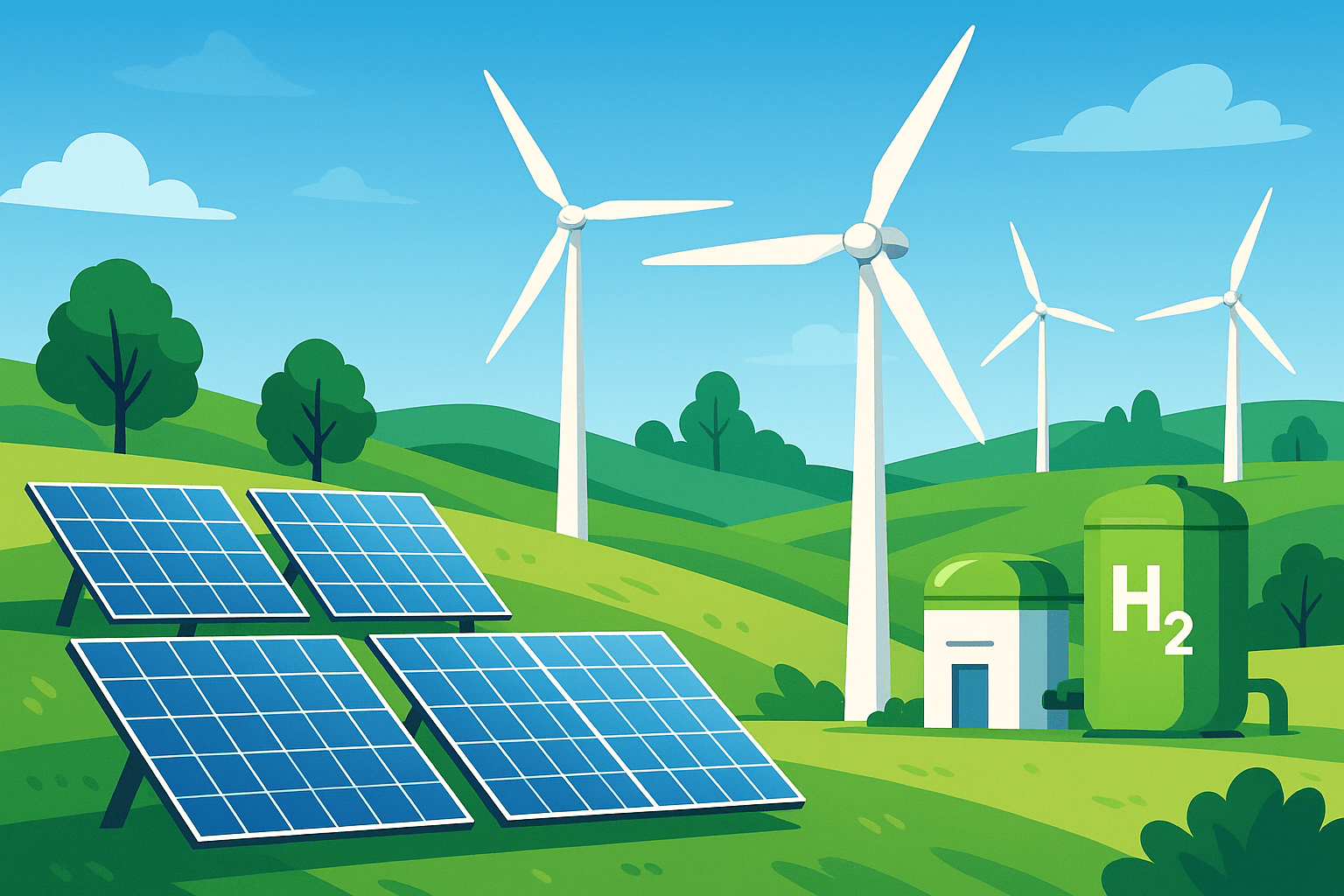
In 2025, Europe stands at the forefront of the green energy revolution, with a critical shift underway—not just in technology or policy, but in the skilled hands powering this transition. From solar panel installers in Spain to wind turbine technicians in Denmark, artisans are emerging as central figures in shaping a sustainable energy future.
🔧 The Rise of the Green Artisan
Artisan trades—long considered traditional and localised—are now at the cutting edge of renewable infrastructure deployment. With the European Union targeting over 320 GW of installed solar capacity and 120 GW in offshore wind by 2030, the demand for hands-on expertise has skyrocketed.
Emerging artisan roles in 2025 include:
- Solar PV technicians for both rooftop and utility-scale projects
- Wind turbine specialists in maintenance, blade repair, and offshore logistics
- Hydrogen systems installers, including electrolyzer and fuel cell components
- Green building retrofitting teams, especially for insulation, HVAC, and solar thermal systems
- Energy storage system integrators, especially as battery deployment scales across smart grids
These trades are no longer niche—they're strategic.
📈 Employment Impact and Economic Upside
According to the European Commission, the renewable energy sector will support an estimated 1.1 million new jobs by 2030. In 2023 alone, the sector accounted for a 50% increase in job creation compared to 2015. Countries like Germany, France, and the Netherlands are leading the charge in upskilling artisans through structured green economy programs.
Take Scotland, for example: The Highlands are projected to attract £100 billion in renewable energy investments by 2040, generating over 18,000 jobs, many of which are in artisan-level trades like cabling, welding, and electrical maintenance.
Similarly, Eastern European nations such as Romania are transitioning former coal miners into solar and wind energy roles via national retraining schemes.
🎓 Bridging the Green Skills Gap
One of the biggest challenges remains the growing skills gap. While demand for green artisans surges, the supply of certified professionals is struggling to keep pace. The EU Large-Scale Skills Partnership for Green Energy has launched vocational training initiatives focused on:
- Accelerated certification for installers and technicians
- Mobile training units in rural areas
- Public-private partnerships with tech providers and employers
- Digital tools and simulation labs for remote learning
Acalytica’s Artisan to Entrepreneur Program echoes this momentum in South Africa, equipping local tradespeople with digital visibility, lead generation, and analytics—fostering globally aligned growth.
🌍 Why This Matters for Africa
The green energy artisan boom in Europe serves as a blueprint for emerging markets like South Africa. As the continent embraces its Just Energy Transition, there is a pressing need to reframe artisans not as legacy tradesmen, but as climate-smart builders of the future.
Platforms like Acalytica can localize these insights by:
- Empowering artisans with digital storefronts
- Facilitating real-time training and certification pathways
- Partnering with SETAs like CHIETA to track upskilling outcomes
- Matching green skills supply with national demand data
🚀 Conclusion
Europe’s 2025 green energy workforce proves that artisans are not relics of the past—they are enablers of a low-carbon future. As governments and businesses race toward net-zero targets, it’s the welders, technicians, and builders who are laying the foundation.
Acalytica stands ready to support this shift—not just by digitizing artisan businesses, but by ensuring they are recognised, trained, and celebrated as climate heroes.
References
- The Times UK – Renewables in Scotland
- The Guardian – Denmark’s Offshore Wind Boom
- AP – Coal to Clean Energy Transition in Romania
- EuroClimateJobs – Green Job Growth Projections





