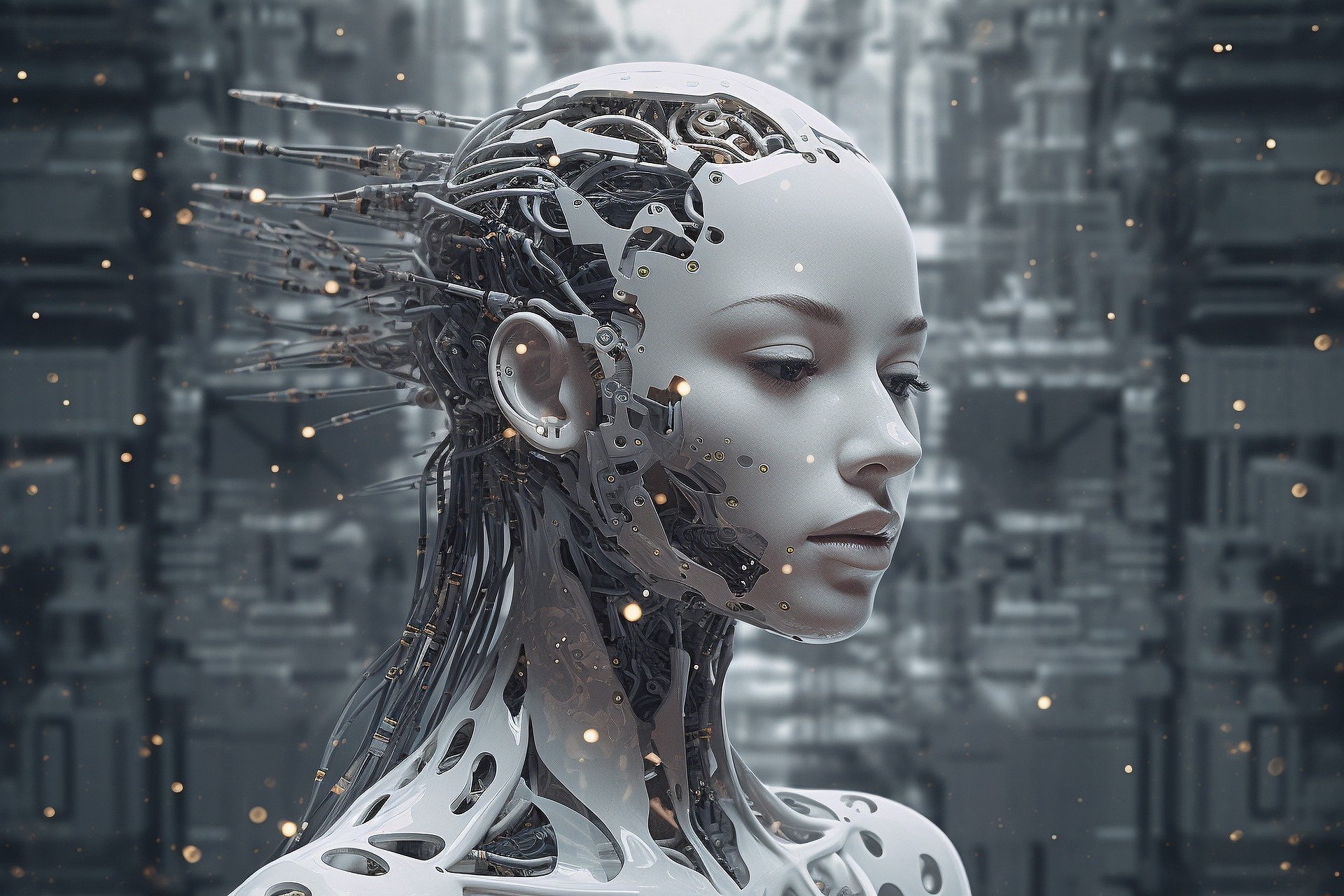
In 1961, IBM’s Shoebox was introduced as one of the first machines capable of recognizing spoken words. It could understand just 16 commands, yet it sparked imaginations about the future of human-computer interaction. Fast-forward to today, and AI doesn’t just recognize words—it composes music, generates poetry, and mimics human expression. But as AI-produced music floods playlists, a new question emerges: Where is the soul?
Music has always been more than sound; it’s been a vessel for human emotion—joy, heartbreak, longing, and triumph. While AI can analyze patterns and predict trends, it doesn’t feel. It doesn’t carry the weight of lived experiences. This tension between technological precision and emotional depth highlights both AI’s limits and its potential to amplify human artistry.
The Human Touch: What AI Can’t Replace
Emotion isn’t just embedded in lyrics or melodies; it’s in the pauses between notes, the strain in a voice, and the imperfections of a live performance. It’s the subtle elements—timing, texture, and vulnerability—that AI struggles to replicate.
While AI can simulate these qualities, its output often lacks the unpredictability and imperfections that make music feel alive. This is where human artists can thrive—by leaning into what AI cannot replicate. Artists who focus on crafting deeply personal narratives, weaving cultural traditions, and building emotional connections will maintain their edge.
Amplifying Emotion with AI
Instead of fearing AI, artists can use it as a partner to enhance their emotional storytelling:
- Mood-Driven Music Creation: AI tools can analyze emotional patterns and help artists match tempos, keys, and beats to specific moods. Imagine an AI that generates a backing track tailored to evoke nostalgia or euphoria, providing a foundation for artists to build upon.
- Adaptive Storytelling: AI can analyze listener data and customize playlists or soundscapes that evolve based on mood and activity. Artists can create adaptive albums—tracks that shift dynamically, creating an evolving emotional journey for listeners.
- Collaborative Compositions: AI can be a brainstorming partner, generating melodies or lyrics that artists refine and humanize. This process mirrors the way songwriters collaborate, blending ideas to create something greater than the sum of its parts.
- Emotional Data Feedback: AI-powered analytics can assess which emotional tones resonate most with audiences, allowing artists to tailor their work without sacrificing authenticity.
The Soul in Storytelling
Music has always been deeply tied to storytelling. From ancient chants to protest songs, it reflects human struggles, joys, and aspirations. AI may provide the framework, but it’s the artist who infuses meaning.
Consider a folk musician using AI to generate harmonies rooted in tradition while layering lyrics that capture modern struggles. Or a hip-hop artist combining AI beats with deeply personal verses about identity and survival. The soul isn’t lost—it’s amplified.
Live Performances: Reclaiming Connection
One of the most irreplaceable aspects of music is the shared experience of live performance. AI can’t replicate the energy of a crowd, the vulnerability of an acoustic set, or the improvisation of a jam session. Artists can lean into this strength by creating intimate performances that emphasize human connection.
Imagine a concert where AI visuals respond to live music, blending human performance with digital art. The artist remains the emotional core, while AI enhances the experience.
Challenges and Ethics
As artists embrace AI, they must also confront ethical questions:
- Authenticity vs. Automation: How much of the process can be AI-driven before the artist’s role is diminished?
- Cultural Preservation: Does AI risk erasing unique traditions by prioritizing trends and algorithms?
- Ownership and Copyright: Who owns AI-generated compositions, and how do we credit collaborators?
Building a Future with Soul
Artists who thrive in this new era will be those who combine the precision of AI with the emotional depth of humanity. They’ll use AI not as a crutch, but as a catalyst—unlocking new sounds, experimenting with formats, and pushing creative boundaries.
In a world where AI can mimic patterns, the artist’s role is to inject meaning. To tell stories that AI cannot imagine. To create music that doesn’t just follow trends but shapes them.
The future of music isn’t soulless. It’s symbiotic—a dance between the algorithm and the artist, where emotion remains the lead.