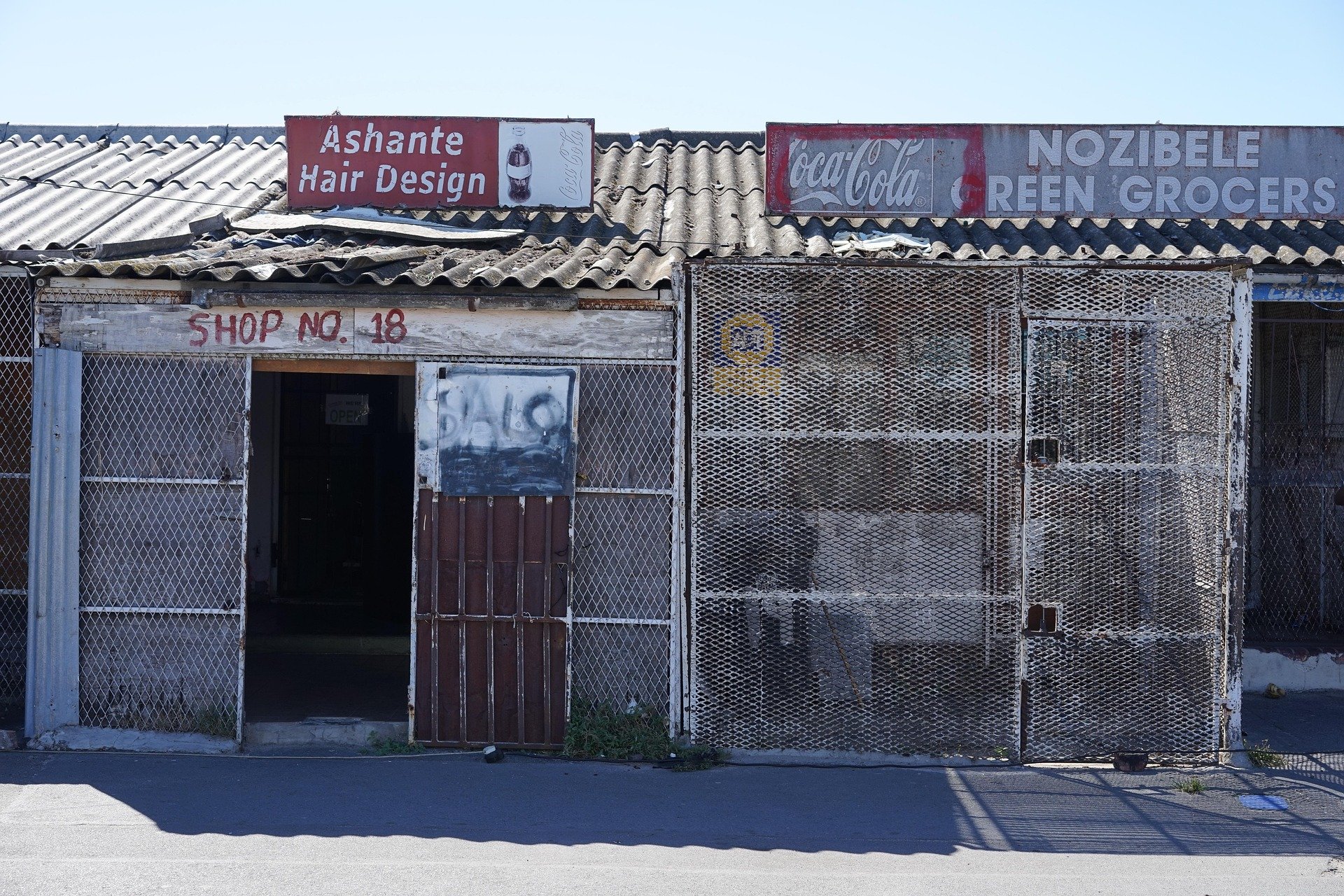
South Africa’s informal economy is like an underground river, unseen but vital. It’s where millions of people find work, communities innovate, and survival strategies evolve. Yet, for all its vibrancy, this sector remains underserved, misunderstood, and overlooked. Today, let’s break it down and start exploring how the informal economy can be the key to creating a more inclusive and resilient South Africa.
What is the Informal Economy, Really?
The informal economy includes all economic activities that operate outside formal structures—no business licenses, no registered taxes, and often no official records. Think street vendors, spaza shops, domestic workers, and micro-entrepreneurs. It’s messy, diverse, and highly adaptive. Estimates suggest the informal economy contributes as much as 6% to South Africa’s GDP and provides livelihoods for around 2.5 million people.
But why does it remain in the shadows? It’s partly because the formal economy sees it as risky and unregulated, and partly because of systemic barriers that keep it there. For instance, many informal businesses lack access to credit, markets, and training—the very things they need to grow.
The Challenges: Barriers to Growth
Let’s zoom in on the key challenges that keep the informal economy from reaching its full potential:
- Access to Finance: Most informal businesses don’t have bank accounts or credit histories, making it nearly impossible to get loans. Without capital, growth stalls.
- Policy Blind Spots: Many regulations unintentionally penalise informal businesses. For example, some municipalities impose heavy fines on street vendors instead of creating inclusive policies that support them.
- Infrastructure Deficits: Imagine trying to run a business without reliable electricity, water, or internet. Many informal businesses operate under these exact conditions.
- Social Stigma: Informal workers often face discrimination and are perceived as unprofessional or illegitimate, which limits their opportunities to connect with larger markets.
- Limited Skills Development: While informal entrepreneurs are resourceful, many lack formal business skills, like financial management or digital literacy, that could help them scale.
What Can We Do About It? The Solutions
The good news? These challenges aren’t insurmountable. Let’s dig into some solutions that could turn South Africa’s informal economy into a growth engine.
- Simplified Financial Access: Microfinance and fintech solutions can bridge the gap. Platforms like Kenya’s M-Pesa have revolutionised access to finance for informal workers by enabling digital payments and savings without the need for a bank account. South Africa can replicate and localise such models.
- Pro-Inclusive Policies: Governments should involve informal sector representatives when drafting policies. For example, some cities in India have designated street vendor zones with affordable licenses and infrastructure support. Why not adapt a similar model here?
- Skills and Digital Inclusion: Training programs tailored for informal entrepreneurs could be game-changers. Imagine free workshops teaching spaza shop owners how to use mobile apps for inventory management. Better yet, partner with platforms like Acalytica to offer tools that simplify digital adoption.
- Collaborative Ecosystems: The private sector, NGOs, and government need to collaborate to unlock opportunities. Retail giants could source products from local micro-businesses, and banks could develop informal-economy-friendly credit products.
- Rebranding Informality: The narrative around the informal economy needs to shift. Highlight its contributions to GDP, celebrate success stories, and change how people perceive informal businesses. Marketing campaigns and public education can help reframe the informal sector as a hub of innovation.
What’s Happening Elsewhere?
Countries like Brazil and India have shown us the way. Brazil’s “MEI” program offers micro-entrepreneurs simplified registration and tax benefits, giving them access to formal benefits without drowning in bureaucracy. Meanwhile, India’s street vendor act protects informal workers’ rights and gives them access to legal vending spaces. These examples prove that thoughtful interventions can bring massive change.
Where Do We Start?
South Africa’s informal economy is a sleeping giant. To wake it, we need to start small but think big. Start by identifying local needs, whether it’s creating better vendor zones or providing mobile banking services. Use data to drive decisions, and always keep the informal sector at the table when crafting solutions.
The informal economy isn’t just about survival; it’s about possibility. With the right support, it can become a wellspring of innovation, employment, and economic growth. So, let’s stop seeing it as a problem to be solved and start recognising it as an opportunity to be embraced.





