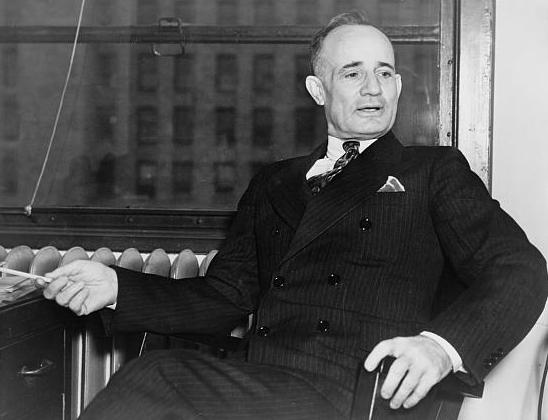
Napoleon Hill's "Outwitting the Devil" offers profound insights into overcoming mental barriers, which are particularly pertinent to entrepreneurs navigating the complexities of business creation and growth. The principles outlined in the book align closely with empirical findings in entrepreneurial research, providing actionable strategies to enhance success.
1. Fear as the Greatest Obstacle
Fear of failure is a significant deterrent in entrepreneurial endeavors. Data from the OECD indicates that nearly 50% of women identify fear of failure as a barrier to business creation. This apprehension can inhibit risk-taking and innovation, essential components of entrepreneurial success.
Actionable Strategy: Reframe fear as a learning opportunity. Encourage calculated risk-taking by focusing on potential rewards and viewing failures as valuable feedback.
2. Avoiding the "Drifting" Mindset
A lack of focus and purpose can lead to inefficiencies and missed opportunities. Entrepreneurs without clear goals may find themselves reacting to circumstances rather than proactively shaping their business trajectory.
Actionable Strategy: Develop a comprehensive business plan outlining mission, vision, and actionable objectives. Regularly review and adjust this plan to maintain alignment with long-term goals.
3. Definiteness of Purpose
A clear and compelling purpose serves as a motivational anchor. For instance, Amazon's mission "to be Earth's most customer-centric company" has directed its strategic decisions and innovations.
Actionable Strategy: Articulate a definitive purpose for the business. Ensure that this purpose informs decision-making processes and is communicated effectively to all stakeholders.
4. The Power of Independent Thinking
Challenging conventional wisdom can lead to groundbreaking innovations. Entrepreneurs like Elon Musk exemplify the benefits of independent thinking in industries such as electric vehicles and space exploration.
Actionable Strategy: Cultivate critical thinking skills. Encourage questioning of assumptions and exploration of unconventional solutions to complex problems.
5. Overcoming Negative Influences
Negative influences, including skepticism from others and self-doubt, can impede progress. Building a supportive network is crucial for resilience.
Actionable Strategy: Surround oneself with mentors, advisors, and peers who provide constructive feedback and encouragement. Engage in communities that foster positive reinforcement.
6. Faith and Self-Belief
Belief in one's capabilities is essential for perseverance. Thomas Edison's persistence in developing the light bulb, despite numerous failures, underscores the power of self-belief.
Actionable Strategy: Engage in practices that build self-confidence, such as setting and achieving small goals, and reflecting on past successes.
7. Discipline and Habit Formation
Discipline in daily routines contributes to long-term success. Warren Buffett attributes much of his success to disciplined habits like continuous learning.
Actionable Strategy: Establish routines that promote productivity, such as dedicated time for strategic planning and skill development.
8. Turning Setbacks into Opportunities
Viewing failures as opportunities for growth fosters resilience. The founders of Airbnb faced multiple rejections before achieving success, illustrating the importance of perseverance.
Actionable Strategy: Implement a feedback loop to analyze setbacks, extract lessons, and apply them to future endeavors.
9. Continuous Learning and Curiosity
Staying informed about industry trends and advancements is vital. Bill Gates' commitment to reading and learning exemplifies this principle.
Actionable Strategy: Dedicate time to ongoing education through reading, attending workshops, and engaging with thought leaders.
10. Resilience Against Fear of Criticism
Innovative ideas often attract criticism. Steve Jobs faced significant scrutiny but remained steadfast in his vision, leading to groundbreaking products.
Actionable Strategy: Develop a thick skin by focusing on constructive criticism and disregarding unfounded negativity.
Conclusion
Integrating the principles from "Outwitting the Devil" with empirical research provides a robust framework for entrepreneurial success. By addressing internal barriers and fostering a disciplined, purpose-driven approach, entrepreneurs can navigate challenges effectively and drive sustainable growth.





